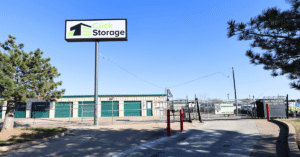
A survey from a few years back shows that 14 million houses in the US saw roaches; mind you, there are over 145 million homes in the country, which means that around 10% of them have bugs. That’s why services like pest prevention Broken Arrow have become so important, especially for people who wish to keep their belongings in outside storage facilities when moving or renovating.
Broken Arrow sits in a perfect pest collision zone. This city edges against Creek County field. You get field crickets, wolf spiders, scorpions, and other pests from there. Urban development attracts roof rats and German roaches. Not to mention those smelly house ants! Thunderstorms in spring saturate our signature red clay soil; its moisture-retention properties drive ground-dwelling pests upward into storage units. House mice squeeze through openings the size of a pencil eraser!
Self-storage units are more prone to bug infestations. That’s because they are visited by people once every few months. Cardboard boxes remain the number one. Mice shred a dozen boxes a night to build nests for their babies. Humid conditions in non-climate-controlled units may trigger termite swarms and mold growth. Both conditions attract secondary pests straight to your stuff.
That’s why we suggest renting a climate-controlled storage unit in Tulsa, OK, to make sure pests are not attracted to your valuables. You should also follow this 6-month checklist to make sure that you can make your storage facility pest-proof after renting it, and eliminate pests if some happen to be lurking in hidden corners. Click Storage will help you in this battle every step of the way!
Months 1 and 2: Preparing for Pest Removal
A survey from 2024 shows that flies, spiders, and ants are three of the most common pests found in US homes; in fact, around 80% of homeowners say they are aware of their presence. Spring rains often awaken ground-dwelling pests… and they come running to your storage units for shelter.
The first two months of our pest prevention checklist are about preparing for pest removal. You can start with a complete unit evacuation & deep cleaning protocol. This process takes 45 minutes, but you can prevent months of pest-related headaches with this strategy. You should also remove all items from your storage unit. Use a shop vacuum to attack every surface, especially ceiling corners where spiderlings drop on silk threads and floor cracks where cockroach egg cases often hide.
A vinegar-water solution will serve as a natural antimicrobial that evaporates without residue.
Using the Right Containers
The most important aspect of pest eliminating & prevention is using the right containers for all your things. Cardboard boxes are bad! You should ditch them altogether. Instead, get heavy-duty plastic totes that feature gasket-sealing lids. Rodents simply can’t gnaw through thick plastic walls. Even an ant can’t infiltrate the rubble seals… no matter how good a spy it is!
Making Your Valuables Inaccessible to Pests
The next step is elevating each container at least 6 inches off the concrete floor. Use 4×4 pallets to do this… or 2×4 lumber arranged in a grid pattern. You must also wrap the pallet bases in 6-mil plastic sheets. This action will create a moisture barrier that prevents wicking from concrete. It also stops crawling insects dead in their tracks. Your stuff will be protected from urban flooding, too.
Inspecting the Storage Unit Carefully
Next, we fortify your self-storage container structurally! You need to inspect every crack larger than 1/16-inch around door frames & wall penetrations. Even vents! You should then fill them with clear silicone caulk that remains paintable and flexible. You should not forget to stuff persistent gaps with steel wool before caulking. Rodents won’t be able to chew through the metal fibers. Checkmate!
Establishing Your Perimeter Defense System
Did you know that a third of Americans considered burning down their homes after experiencing a bug infestation? We won’t recommend something so drastic. You should just place ten cedar blocks around your storage unit. This pest prevention Broken Arrow tip will help you establish your solid perimeter defense system. Another idea is to soak twelve cotton balls in a peppermint oil solution; use a 2:1 water solution for this purpose. Its strong scent will drive rodents away.

Months 3 and 4: Eliminating All Pests
Did you know that pest infestation causes structural damage to 46% of homes in the US? In May and June, temperatures can reach as high as 95°F; humidity also increases by 80%. That’s why you have to immediately take care of pest elimination after a thunderstorm. Moisture makes bugs go crazy. They start to migrate indoors to seek drier lands. That’s why you should use a flashlight to examine all corners, seams, pallets, and door tracks in your storage unit. Watch out for these 5 signs:
- Black rice-sized droppings indicate mice
- Dark, greasy streaks along the walls signal roaches
- ⅛-inch gnaw grooves suggest mice (splintering indicates larger rats)
- Dusty webbing or translucent shed skins reveal spider activity
- Musty odors or ammonia smells point to rodent urine or mold growth
Positioning Your Belongings Smartly
You should start by decluttering ruthlessly without making emotional decisions. That’s how you can get rid of “pest highways,” i.e., walkways bugs use to get access to your belongings for nesting.
- Make sure nothing touches your walls/ceilings (otherwise, they may become ladders for all the bugs mass migrating to your storage unit)
- Your most frequently accessed containers should be front-loaded (seasonal items may be relegated to the back)
- Your pest prevention checklist should also include rotating entire stack positions monthly to disrupt established pest pathways
Eliminating Pest Food Sources
When it comes to eliminating insect food sources, you should do that without remorse or tolerance. Ants can detect a single grain of sugar from twelve feet away (the same way sharks can smell blood from miles away). Even if sugar is kept in plastic, ants will know it’s there. We recommend getting Mylar bags with oxygen absorbers for any bulk dry goods, like cereal or pet food overflow. Bags like these create airtight seals that can starve insect eggs and help you kill them before they hatch.
Procuring the Right Chemicals
Let’s not forget about updating your arsenal. When you visit your storage unit in summer, you must replace all cedar blocks and peppermint cotton balls. These things can lose their potency after only sixty days! Adding dried lavender bundles wrapped in cheesecloth will act as moth deterrents. Also, create a DIY spray using 15 drops of tea tree oil mixed with 16 ounces of water in a spray bottle for spot treatment of suspicious areas. That’s how you get ready to drive these bugs across the ocean!
Months 5 and 6: Winter Hardening
Insects are cold-blooded, so winter makes them less active, since they go into hibernation (we call it “diapause”). Since winters are already dangerous for these bugs, the chilly season is the perfect time for pest prevention Broken Arrow. Don’t forget that insects trying to hibernate will seek refuge in a warm and humid shelter, such as your self-storage unit. That’s why you have to be careful.
You should start by removing every item from the storage facility to the parking area. Inspect each box and container thoroughly for infested items. If something really is infested, it should go straight into double contractor bags for immediate disposal. Use your storage facility’s pressure washer, and wipe down everything with a 1:10 bleach solution. That’s why you can get rid of eggs or larvae that were embedded in concrete pores. Wait 48 hours for complete air drying before reloading.
Finalizing Your Defensive Measures
Don’t forget to check all structural elements during this reset period.
- Tighten all loose hinges and screws that may create gaps.
- Make sure all vent openings have ⅛-inch mesh screenings
- Gaps larger than ¼ inches need foam backer rod before final caulk sealing
- Rake the gravel perimeter around your unit to remove tall grass & debris
Winterizing the Storage Unit
Water demands certain defenses against the surge of rodents. You should install 2 to 4 enclosed bait stations to trap rodents, but never open poison products that risk contaminating your belongings.
- Stuff steel wool into persistent gaps before caulking (mice will chew through foam sealants)
- Spray pure citrus oil extracted from lemons around the perimeter (ants avoid it)
- Store wool blankets and fabrics in sealed plastic totes to avoid rodents
Creating a Digital Inventory System
Keep in mind that creating a digital inventory system during this reset phase will help you a lot. You should take timestamped photographs of the freshly cleaned unit and create a simple phone log that notes everything for insurance purposes. That’s how you do pest prevention Broken Arrow.
Trust Click Storage for Pest Prevention Broken Arrow
We at Click Storage offer storage facilities in several Oklahoma cities, chiefly Tulsa and its suburbs. If you need competitive advantages that go beyond basic storage, you should contact us right away. It is easy to preserve your self-stored belongings from pests by implementing the tips we shared with you in the paragraphs above. If you need more tips or want to learn what sort of measures we take to protect your belongings, get in touch with us! Get your free unit quote in Broken Arrow now!
Q&A: Pest Prevention for Storage Units in Broken Arrow
Tap any card to reveal the answer.
Question 01Why are pests a common problem in storage units in Broken Arrow?
Broken Arrow’s humidity, storms, nearby fields, and seasonal weather changes attract pests like mice, ants, spiders, roaches, and termites into storage units, especially non-climate-controlled spaces.
Question 02Are climate-controlled storage units better for pest prevention?
Yes. Climate-controlled storage units help reduce humidity and moisture buildup, which lowers the risk of mold, termites, insects, and rodent infestations.
Question 03What type of containers should I use to protect belongings from pests?
Heavy-duty plastic totes with gasket-sealing lids are recommended because they are more resistant to rodents, insects, moisture, and mold than cardboard boxes.
Question 04How can I pest-proof my storage unit?
You can pest-proof your unit by sealing cracks with caulk, using steel wool in gaps, elevating belongings off the floor, setting up cedar blocks or peppermint oil repellents, and keeping the unit clean and dry.
Question 05What are signs of pest activity inside a storage unit?
Common signs include rodent droppings, greasy wall streaks, gnaw marks, spider webs, shed insect skins, musty odors, and visible mold growth.
Question 06How often should I inspect my storage unit for pests?
It is a good idea to inspect your storage unit regularly throughout the year, especially after storms or seasonal weather changes, to identify pest issues before they become major infestations.