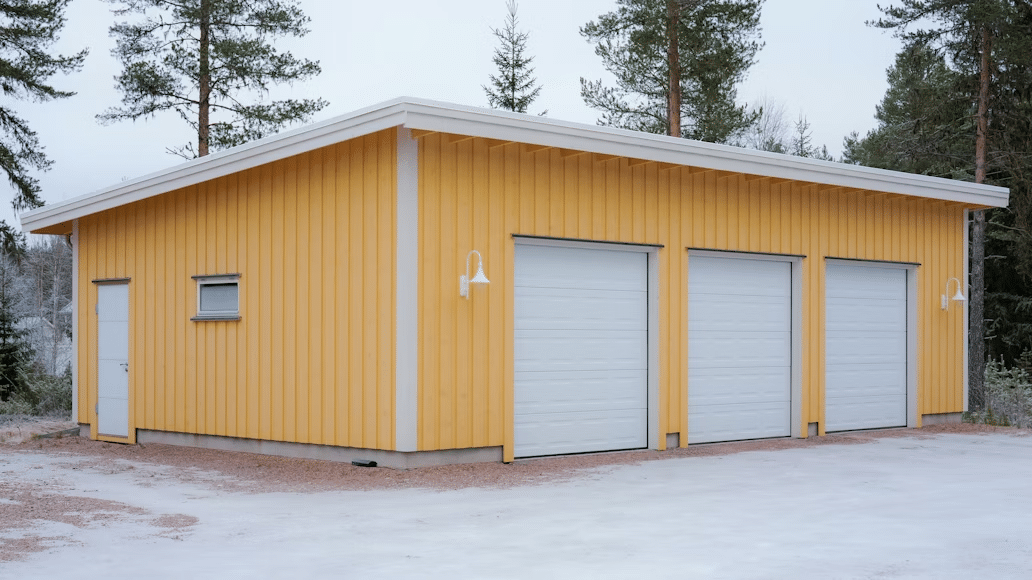
Imagine you are packing up your Tulsa apartment for winter. An ice storm rolls in overnight, and I-44 is now shut down for the next few days. Your couch freezes solid in the garage, while clothes mildew in your grandma’s basement.
This is a classic Oklahoma winter nightmare. Temperatures can come crashing down to 10°F. Don’t forget that hail can pound your roof any time. That’s why winter storage Oklahoma solutions are so important. You need to know what to store and what not to store in these local storage facilities.
5 Typical Winter Storage Oklahoma Challenges
- Freeze-Thaw Cycles Wreck Just About Everything
If you are keeping water content in boxes, this content expands by 9% when frozen. The result? Your cardboard splits open like fireworks. Metal tools can rust overnight from moisture swings. Leather couches crack when they dry out too fast. One of our clients even lost a $2k oak table to split legs when she rented a shady storage unit somewhere in Broken Arrow, OK.
- Ice Storms Flood Your Units Way Too Fast
You need winter storage Oklahoma solutions to escape ice storms. Ice can shut down I-44 for a few days. You see power outages everywhere in the Tulsa suburbs. If you use unheated units, their pipes will burst left & right. Two inches of water can ruin your books and electronics, and make you lose your precious family photo books. One Tulsa family pulled soggy wedding albums from their flooded unit last year.
- Hail Pounds Stored Items Without Warning
Oklahoma averages over fifty hail days a year. You’ll see these golf-ball-sized rocks straight out of the set of The Day After Tomorrow. They can dent your RVs and crack the roof of shady units. Leaks will drip straight onto your mattress. You may park your trailer thinking it’ll power through a rainy night, only to wake up and find a polka-dot roof staring back at you.
- Rodents Run Amok in Their New Play Area
Rats can chew through your stuff’s electrical wires. They nest in your winter costs when the storage facility owner hasn’t done anything about pest control. That’s why it’s important to learn what not to store in these storage facilities. But your garages & attics aren’t an exception here; these dark & warm areas make perfect mouse hotels.
- Robbers Become Bolder When It’s Colder
Holidays empty houses. Burglars hit storage units instead. Tulsa police see 25% more break-ins in December through February. Dark corners without cameras? They are easy pickings for pros. You can have a Home Alone situation on your hands if you’re keeping valuables at home this winter.
What NOT to Store in Unprotected Units
When you look into winter storage Oklahoma solutions, you need to understand that some items are not suitable for safekeeping in storage units, such as invaluable collectibles, pets, or children. In some cases, folks have been found keeping chemicals and edible items in these facilities. Some have even tried living inside rental units. We at Click Storage recommend two things: it’s better to rent a climate-controlled unit, and think twice before dumping these items inside normal units:
- Important Documents: We have nothing against keeping your old documents or pictures in our rental spaces. But keep in mind that ink bleeds when ice melts. Mold can also target the books you’re keeping here. Unless you’re renting a climate unit, your legal documents may become worthless due to mold/mildew/rodents.
- Leather Items: Leather items can crack at freezing temperatures. They shrink by 20% from dry heat swings. Rats will chew your designer bags even if you’ve placed mothballs there.
- Edible or Drinkable Items: Keeping food and drinks is never a good idea, even if you’re renting a climate unit. Cans can burst when water expands, while bottles crack plastic. If you are keeping spices in a rental space, it may clump into a solid. Edibles also invite rats and turn your storage unit into a Ratatouille-like situation.
- Musical Instruments: Musical instruments are delicate items that need climate-controlled units. That’s because necks can wrap and keys can stick tight. Your pianos, guitars, violins, & other items require better storage.
- Plants or Chemicals: Some people think keeping plants inside a storage unit is fine. It’s not, in fact! Your plants can freeze solid. If you keep batteries inside, they’ll leak acid everywhere. Your paint cans can explode. That’s why fire codes ban most of these items.
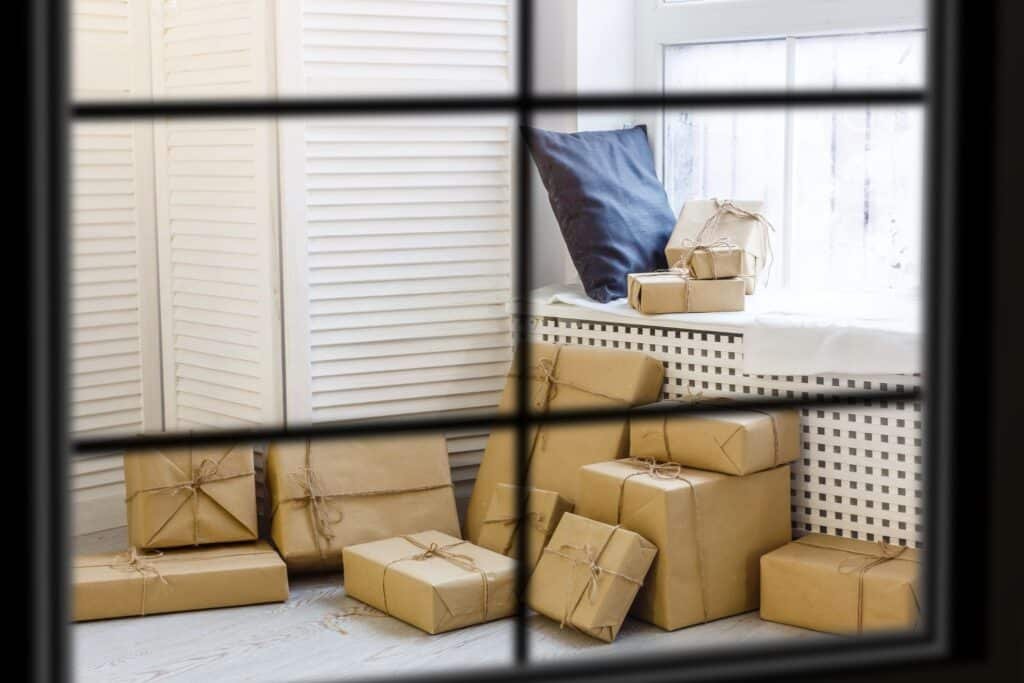
7 Simple Tips to Store Your Belongings During OK Chills
Tip #1: Always Book Climate-Controlled Units
We suggest that you skip regular units. They are prone to mold development. Instead, you should get your hands on climate-controlled rentals. They lock 55 to 80°F steady year-round. The result? Your electronics won’t crack. Wood furniture stays perfectly flat as well. You can grab a 5×5 for all your garments and a 10×20 to keep your furniture safe for the winter.
Tip #2: Triple-Wrap Your Wood Furniture
Next, you need to triple-wrap your wooden furniture before throwing it inside a rental. Oklahoma’s freezing winters can split your oak tables overnight from sudden moisture swings. You should:
- Use shrink wrap to form a tight outer layer around furniture
- Cover all inside drawers completely with painter’s plastic (no air gaps allowed)
- Add a vapor barrier plastic underneath every upholstery cushion
- Never skip these steps, or your table legs will crack like dry twigs by February
Tip #3: Uplift Everything by 6 Inches (At Least)
Ice melt can flood units 2 inches deep after storms, so lift all boxes off concrete floors with pallets or stacked 2x4s. Stack heavy items on the bottom, light boxes on top, and keep forklift aisles at least 12 inches wide.
Tip #4: Rodent-Proof It All Like a Bunker
Mice chew plastic and cardboard daily. Stuff steel wool in gaps, set peanut butter traps, wipe mint oil on pallets, and use ultrasonic repellers. Click Storage uses steel baseboards to stop them cold.
Tip #5: Vacuum Seal Your Clothes (Use Cedar)
Did you know that space bags reduce the volume of your clothing by 70%? You can put mothballs between every layer of clothing carefully. Cedar blocks can absorb unpleasant odors and repel all those nasty bugs. Make sure you have dry-cleaned your garments before placing them inside our units. Dry cleaning will prevent the growth of mildew during the winter.
Tip #6: Use Labels & Desiccants Everywhere
Grab $10 buckets from Home Depot; they each absorb 5 gallons of moisture. Then, place one every 50 square feet throughout the unit. Refresh desiccant packs every 90 days without fail. Also:
- Label every box on three sides, like “Kitchen Fragile Top Shelf”
- Snap photo inventories of each stack with your phone app
- Use surge protectors with trickle chargers to keep electronics alive
Tip #7: Pick 24/7 Access with Power
Holiday decorations need midnight grabs when inspiration hits. Coded gates beat waiting for office hours daily. You can use drive-up units to skip stairs and elevators. Click Storage provides carts and dollies to make your life easier. Packing tape costs just $2/roll right on-site. So, what are you waiting for?
Your Go-To Winter Storage Packing Checklist
We also want to share some self-storage tips with you here. You should go through these 15 steps before locking your unit door. Even skipping one of these items will cause you financial trouble when spring arrives. We recommend printing this list and checking it twice. Many Click Storage clients have saved thousands in ruined stuff by following this simple checklist.
Have you booked a climate-controlled unit?
Have you triple-wrapped your wood furniture?
Are your electronics on surge protectors?
Have you vacuum-sealed every clothing bag?
Are your important papers in sealed plastic totes?
Did you elevate stacks on pallets that are at least 6 inches off the floor?
Have you used steel wool to stuff each gap as tightly as possible?
Did you use a bucket of desiccant per 50 square feet?
Did you label each box on three sides as clearly as possible?
Have you taken a photo of every single stack and added it to your inventory?
Did you make sure each box weighs 50lb max?
Did you place your mirrors vertically with thick padding?
Have you made sure there are no liquids in your storage unit?
Did you box your mattresses upright only?
Did you confirm 24/7 unit access + enough power outlets?
Rent Your Winter Storage Oklahoma Unit at Click4Storage
Ready for a seasonal freshness signal this December? Oklahoma winters don’t mess around. One ice storm and your garage furniture is gone. Regular units can grow mold, while rats eat your coats for nourishment. That’s why you should look into winter storage options in Oklahoma. Click Storage is offering you climate-controlled facilities with ample rodent-proofing. Our storage facilities are very affordable and offer you a first-month discount. So, contact us today.
Q&A: Winter Storage Protection in Oklahoma
Tap any card to reveal the answer.
Question 01Why is climate-controlled storage important during Oklahoma winters?
Climate-controlled storage helps protect belongings from freezing temperatures, moisture, mold, warping, and humidity swings that can damage furniture, electronics, clothing, and important documents.
Question 02What items should not be stored in non-climate-controlled units?
Items like important documents, leather goods, musical instruments, food, drinks, plants, chemicals, and sensitive electronics should not be stored in unprotected units because they can be damaged by cold, moisture, or pests.
Question 03How can I protect furniture during winter storage?
Wood furniture should be shrink-wrapped, covered with protective plastic barriers, and elevated off the floor to help prevent cracking, moisture damage, and warping during Oklahoma’s freeze-thaw cycles.
Question 04How do I prevent rodents from damaging stored belongings?
You can help prevent rodent damage by sealing gaps with steel wool, using traps or repellents, vacuum-sealing clothing, and storing items in sealed containers instead of cardboard boxes.
Question 05What are desiccants, and why are they useful in storage units?
Desiccants absorb excess moisture inside storage units, helping reduce humidity, mold, mildew, and condensation that can damage stored belongings during winter.
Question 06What should I do before locking my storage unit for winter?
Before storing your belongings, you should label boxes clearly, elevate items off the floor, protect electronics, seal clothing, avoid storing liquids, and create a photo inventory of your unit contents.