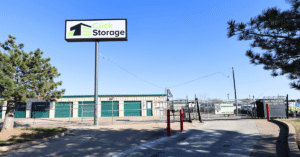
Preparing your vehicle correctly before storage helps prevent expensive repairs, battery problems, tire damage, and moisture buildup. In addition, choosing the right Broken Arrow facility adds another layer of protection for long-term storage. Strong self-storage unit security also protects your vehicle even when you are away. With a few smart preparation steps, you can keep your car, boat, or RV in excellent condition and ready for your next trip.
8 Ways to Secure Your Cars in Storage
Proper storage involves much more than parking your vehicle and walking away. Instead, good preparation habits protect your investment while reducing long-term wear and damage. These simple strategies help improve reliability, safety, and vehicle lifespan.
1. Thoroughly Clean and Wax Your Vehicle
Dirt may look harmless at first, but it traps moisture and slowly damages paint surfaces over time. Therefore, owners should thoroughly wash and wax vehicles before storage.
Wax creates a protective barrier against weather exposure, while clean interiors help prevent odors and mold growth. Additionally, removing food crumbs reduces the chance of attracting pests. A reliable Broken Arrow facility also helps shield vehicles from extreme Oklahoma weather conditions.
2. Change the Oil Before Storage
Old oil contains contaminants that damage engine components when vehicles sit unused for long periods. Fresh oil protects internal engine parts while reducing corrosion risks.
After changing the oil, run the engine briefly to circulate clean lubricant evenly throughout the system. This small step improves long-term engine protection significantly. Combined with strong self-storage unit security, proper engine maintenance provides additional peace of mind during storage.
3. Use a Fuel Stabilizer
Fuel naturally breaks down over time and creates deposits that clog fuel systems. However, fuel stabilizers help preserve gasoline while preventing breakdown inside fuel lines and injectors.
After adding stabilizer, run the engine briefly so the product circulates throughout the fuel system. As a result, your vehicle will restart much more smoothly after storage.
4. Protect the Battery
Unused batteries slowly lose charge during long-term storage. Consequently, many stored vehicles experience battery failure before owners use them again.
To prevent this issue, disconnect the battery or connect a trickle charger to maintain charge levels consistently. In addition, keep battery terminals clean to reduce corrosion buildup. Proper battery care improves reliability while preventing frustrating startup problems later.
5. Prevent Flat Spots on Tires
Vehicles parked too long in the same position often develop flat spots on tires. Over time, this uneven pressure creates uncomfortable driving conditions and unnecessary tire wear.
Therefore, inflate tires to recommended pressure levels and move the vehicle periodically whenever possible. Tire cradles also help distribute weight more evenly during storage. A clean and level Broken Arrow facility further reduces unnecessary stress on tires.
6. Use a Breathable Vehicle Cover
Vehicle covers protect surfaces from dust, scratches, and sunlight. However, breathable covers work much better than plastic covers because they allow trapped moisture to escape.
Breathable covers also help preserve paint, upholstery, and interior materials during long-term storage.
7. Seal Potential Pest Entry Points
Small openings allow rodents and insects to enter stored vehicles easily. Unfortunately, pests can quickly damage wiring, insulation, and engine compartments.
Cover vents, exhaust pipes, and other small openings whenever possible. In addition, use deterrents and inspect vehicles regularly during storage periods.
8. Choose the Right Broken Arrow Facility Features
Selecting the right storage location affects the entire storage experience. Therefore, owners should prioritize facilities with gated access, surveillance systems, lighting, and strong self-storage unit security.
A well-managed Broken Arrow facility also provides cleaner conditions, easier access, and stronger long-term vehicle protection.
Pro Tip: Document your vehicle’s condition before storage with photos. Record tire pressure, battery condition, fuel level, and mileage. This record helps you verify nothing changed during storage and simplifies insurance claims if needed.
Additional Storage Tips for Broken Arrow Residents
Beyond basic preparation, several extra steps can improve long-term vehicle storage results even more. Local weather, humidity, and facility conditions all influence how well vehicles remain protected over time.
Monitor Weather Conditions
Weather changes affect stored vehicles more than many owners realize. Heat, humidity, and sudden storms place constant stress on vehicle materials and surfaces.
Consequently, monitoring weather forecasts helps owners take additional protective measures when necessary. Covered or enclosed storage inside a Broken Arrow facility helps reduce weather exposure significantly.
Visit Your Vehicle Regularly
Regular inspections help owners identify small problems before they become expensive repairs. During visits, check tire pressure, inspect for leaks, and start the engine periodically.
Routine inspections improve maintenance while helping owners avoid unexpected surprises later.
Maintain Insurance Coverage
Storage does not eliminate the need for insurance coverage. Comprehensive policies still protect against theft, vandalism, weather damage, and other unexpected situations.
Although a Broken Arrow facility provides physical protection, insurance creates additional financial security and peace of mind.
Use Moisture Control Products
Excess moisture causes rust, mold, and interior damage over time. Therefore, moisture absorbers and desiccants help create drier storage environments.
Products like silica packs and moisture absorbers help protect upholstery, electronics, and interior materials much more effectively.
Organize Important Documentation
Keep insurance papers, registration documents, and maintenance records organized and easily accessible. Clear documentation simplifies inspections, renewals, and future maintenance scheduling.
Additionally, organized records help owners transition vehicles back into active use much more smoothly.
Secure Your Vehicle with Click Storage
Protecting your vehicle in storage starts with smart preparation and dependable security. Click Storage provides a secure Broken Arrow facility designed to support long-term vehicle care, self-storage unit security, and reliable protection year-round.
Store your vehicle confidently with clean facilities, convenient access, and dependable security that helps keep your car, RV, or boat ready for the road ahead.
Reserve Your UnitExplore Vehicle Storage
Sources: Federal Trade Commission Fuel Quality Tips · National Park Service Mold Prevention Guide · EPA Pest Prevention Tips · National Crime Prevention Council · Click Storage vehicle care guidelines