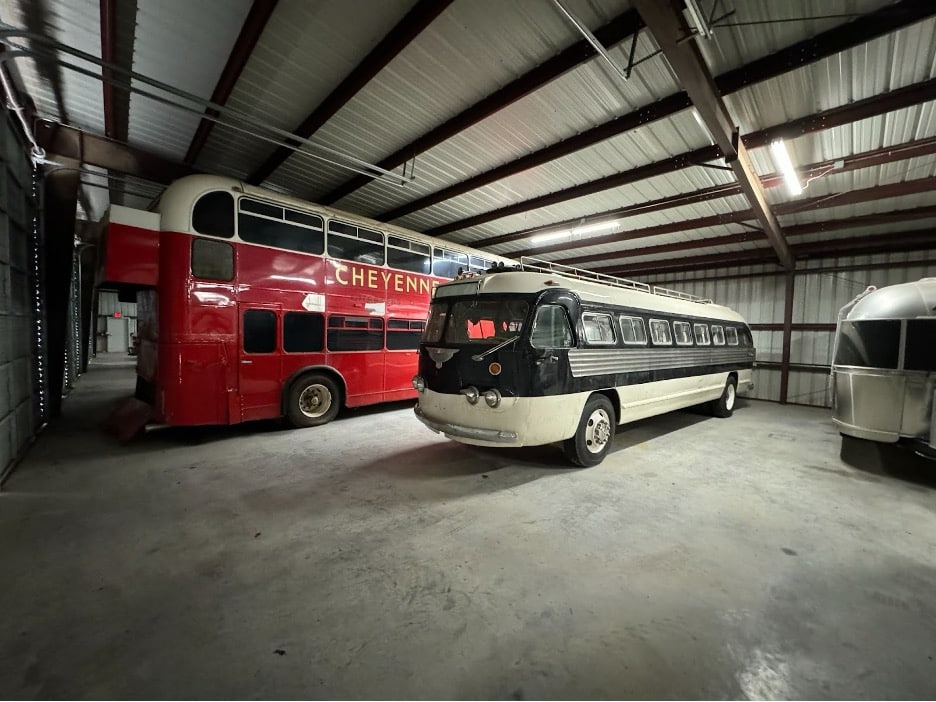
Choosing the right Broken Arrow RV facility helps protect your boat or RV from expensive long-term damage. Many owners overlook important preparation steps before storage, which often leads to mold, battery failure, tire damage, or costly repairs later. However, proper storage habits, ventilation, and maintenance can keep your vehicle safe and ready for the next trip.
Ineffective storage often creates repair costs that owners never expect. On the other hand, smart storage preparation keeps everything in working condition while protecting your investment over time. This guide explains the most common mistakes owners make and how a reliable Broken Arrow RV facility can help prevent them.
Why Proper Storage Protects Your Investment
Prevents Weather Damage
Weather exposure slowly damages RVs and boats over time. UV rays weaken paint, crack surfaces, and fade materials. Rainwater can also enter small openings and create internal moisture problems. Proper storage significantly reduces these risks while protecting both exterior and interior components. Covered or enclosed storage shields vehicles from Oklahoma weather conditions more effectively.
Extends Vehicle Lifespan
Well-maintained vehicles usually last much longer. Moisture control and proper positioning help prevent rust, corrosion, and structural damage over time. As a result, owners reduce premature wear while avoiding unnecessary repairs and replacements.
Reduces Long-Term Maintenance Costs
Poor storage habits often create expensive maintenance problems later. Small issues like tire pressure loss, battery drainage, or fluid leaks quickly become major repairs if owners ignore them. However, organized storage practices help reduce avoidable damage while lowering long-term operating costs. This investment in proper preparation pays for itself many times over.
Protects Interior Components
Interior spaces remain just as vulnerable as exterior surfaces. Excess moisture can create mold, unpleasant odors, and electronic failures inside stored vehicles. Stable conditions inside a climate-controlled facility help protect upholstery, wiring, appliances, and interior finishes from humidity-related damage.
Maintains Resale Value
Buyers often look for signs of proper maintenance before purchasing a used RV or boat. Vehicles stored in secure and organized environments generally maintain stronger resale value. Good storage practices demonstrate responsibility while improving buyer confidence significantly.
8 Broken Arrow RV Facility Storage Mistakes to Avoid
Many owners assume parking an RV or boat is enough. However, proper storage requires much more preparation. Small mistakes can create expensive long-term problems if owners ignore them. Understanding these common issues helps protect your investment while keeping your vehicle ready for future travel.
1. Skipping Proper Cleaning and Inspection
Failing to clean vehicles before storage often leads to corrosion and hidden damage. Dirt, salt, and debris slowly wear down surfaces while trapping moisture in vulnerable areas.
Therefore, owners should wash the entire vehicle thoroughly before storage. Also, inspect seals, joints, undercarriages, and storage compartments carefully for leaks or cracks. Small problems become much more expensive when owners leave them untreated for long periods.
2. Leaving Fluids in Tanks and Pipes
Fluids left inside tanks and pipes may freeze, expand, and damage internal systems during colder months. Stagnant water can also encourage bacterial growth and unpleasant odors.
Before storage, flush tanks and lines completely. Additionally, use antifreeze solutions whenever necessary for extra protection. This simple step prevents thousands of dollars in potential damage.
3. Using Non-Breathable Covers or Tarps
Cheap plastic covers often trap moisture instead of protecting vehicles properly. Consequently, mold and mildew grow much faster inside poorly ventilated covers.
Instead, choose breathable covers that allow airflow while protecting surfaces from dust, moisture, and sunlight. Proper ventilation helps preserve exterior finishes much longer.
4. Ignoring Tire Care and Maintenance
Many owners overlook tire care during long-term storage. Unfortunately, vehicles parked in the same position for extended periods often develop flat spots and tire pressure issues.
Moving the vehicle periodically or using tire blocks helps distribute weight evenly and reduce long-term tire damage. Additionally, check tire pressure monthly even during storage.
5. Neglecting Battery Maintenance
Batteries lose charge over time when owners leave them unattended. Eventually, complete discharge may damage the battery permanently.
A battery maintainer helps preserve charge levels during storage. Alternatively, removing the battery and storing it in a controlled environment can extend battery life significantly. Consistent battery care helps avoid unexpected breakdowns later.
6. Failing to Protect Against Pests
Rodents and insects can seriously damage wiring, insulation, and vehicle interiors. Small openings allow pests to enter vehicles easily during storage.
Regular inspections, sealed vents, and natural repellents all help keep pests away effectively. Also, check your facility’s pest prevention measures before choosing storage.
7. Overlooking Ventilation Inside a Broken Arrow RV Facility
Poor airflow traps moisture inside stored vehicles. Consequently, mold growth, odors, and material deterioration become much more likely.
Owners should slightly open vents or use moisture absorbers whenever possible. Good airflow helps protect upholstery, electronics, and wood surfaces long term. Additionally, ask your storage facility about ventilation options before signing up.
8. Choosing a Broken Arrow RV Facility with Weak Security
Poor security leaves vehicles vulnerable to theft, vandalism, and accidental damage. Therefore, owners should choose facilities with gated access, surveillance systems, and controlled entry points.
A secure Broken Arrow RV facility provides peace of mind while protecting your investment year-round. Verify security features before signing a storage agreement.
Pro tip: Create a pre-storage checklist for your RV or boat. Document the vehicle’s condition with photos before storage begins. This helps you track any issues and proves maintenance value to future buyers.
How Click Storage Supports RV and Boat Owners
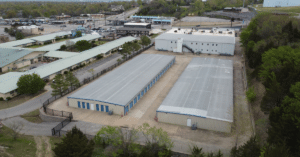
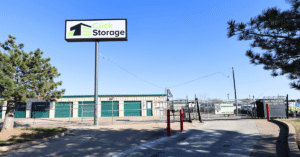
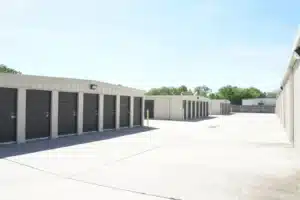
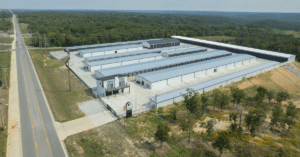
The right storage facility makes protection easier. Click Storage RV storage solutions provide secure environments designed specifically for recreational vehicles and boats. Our Broken Arrow facility includes gated access, surveillance systems, and flexible unit sizes. Sizes range from options for small boats all the way to large motorhomes.
Climate control options protect sensitive components from temperature and humidity damage. Convenient access means you can check on your vehicle anytime. Multiple location options throughout Oklahoma also give you flexibility as your needs change.
Protect Your RV or Boat Today
Avoiding common storage mistakes helps keep boats and RVs protected, reliable, and ready for future trips. Smart preparation today prevents expensive repairs later while extending the lifespan of your vehicle.
Click Storage provides secure and reliable storage solutions in Broken Arrow designed to protect boats, RVs, and recreational vehicles throughout every season.
Reserve Your Unit Explore RV Storage
Sources: CDC · National Park Service · NHTSA · EPA · ASHRAE · National Crime Prevention Council