| Factor | Self-Storage | PODS / Portable |
|---|---|---|
| Monthly cost | $90–220 (self-storage) | $150–300 + fees (PODS) |
| Loading convenience | Drive to facility, use hand truck | Container delivered to door |
| Ongoing access | During facility hours (6am–10pm) | Only when container at your location |
| Security | Gated facility, cameras, manager | Container lock + company facility |
| Price transparency | Simple monthly rate | Monthly + delivery + pickup fees |
| Best for | Storing items for weeks to months | Full-house moves needing delivery |
What Is Traditional Self-Storage?
A self-storage unit is a climate-controlled or standard concrete room at a storage facility like Click Storage. You pack your belongings, lock the door, and come back whenever you need something. You have access during facility hours — usually 6am to 10pm or similar. You pay monthly, rent month-to-month with no long-term contract, and you can move your stuff in and out on your own schedule.
What Are Portable Storage Containers?

Click Storage — comparing your storage options in Tulsa
PODS, Zippy Shell, U-Pack, and similar services work differently. The company delivers a large container to your home, you load it at your pace, they lock it up, and then they either keep it at their facility or transport it to your new location. You get access when the container is at your place. Once it’s locked up and taken away, you’re paying for storage without on-demand access.
Head-to-Head: Cost
This is where the math gets honest. A PODS or similar container typically costs $150 to $300 per month for storage, plus delivery and pickup fees that can run $100 to $500 each depending on distance and timing.
A 10×10 self-storage unit in Tulsa runs $90 to $150 per month. A 10×15 runs $120 to $180. Climate-controlled units cost more, but even then you’re usually looking at $130 to $220.
For a move that requires three months of storage, PODS might run $600 to $1,200 in monthly fees alone, plus delivery fees. A self-storage unit for the same period would cost $270 to $450. The cost advantage goes firmly to self-storage.
Head-to-Head: Convenience
Here’s where PODS wins. The container comes to your house. You load it on your schedule. No trips back and forth to the storage facility. If you’re elderly, have a mobility issue, or just have a ton of stuff to move, the convenience factor is real.
With a traditional storage unit, you either load your own vehicle multiple times or rent a truck. That takes time and effort.
For a full-house move or renovation, PODS convenience is worth something. For storing seasonal items or things you need access to regularly, self-storage is more convenient because you can come and go as needed.
Head-to-Head: Flexibility and Access
This one heavily favors self-storage. When your container is locked up and at the facility, you can’t grab your winter coat or check if you already own that power drill. You either call the company, schedule a time to access the container, or wait until it’s relevant again.
With a storage unit, you have ongoing access. Forget something? Run over after work. Need to check on your furniture before the new house closes? No problem.
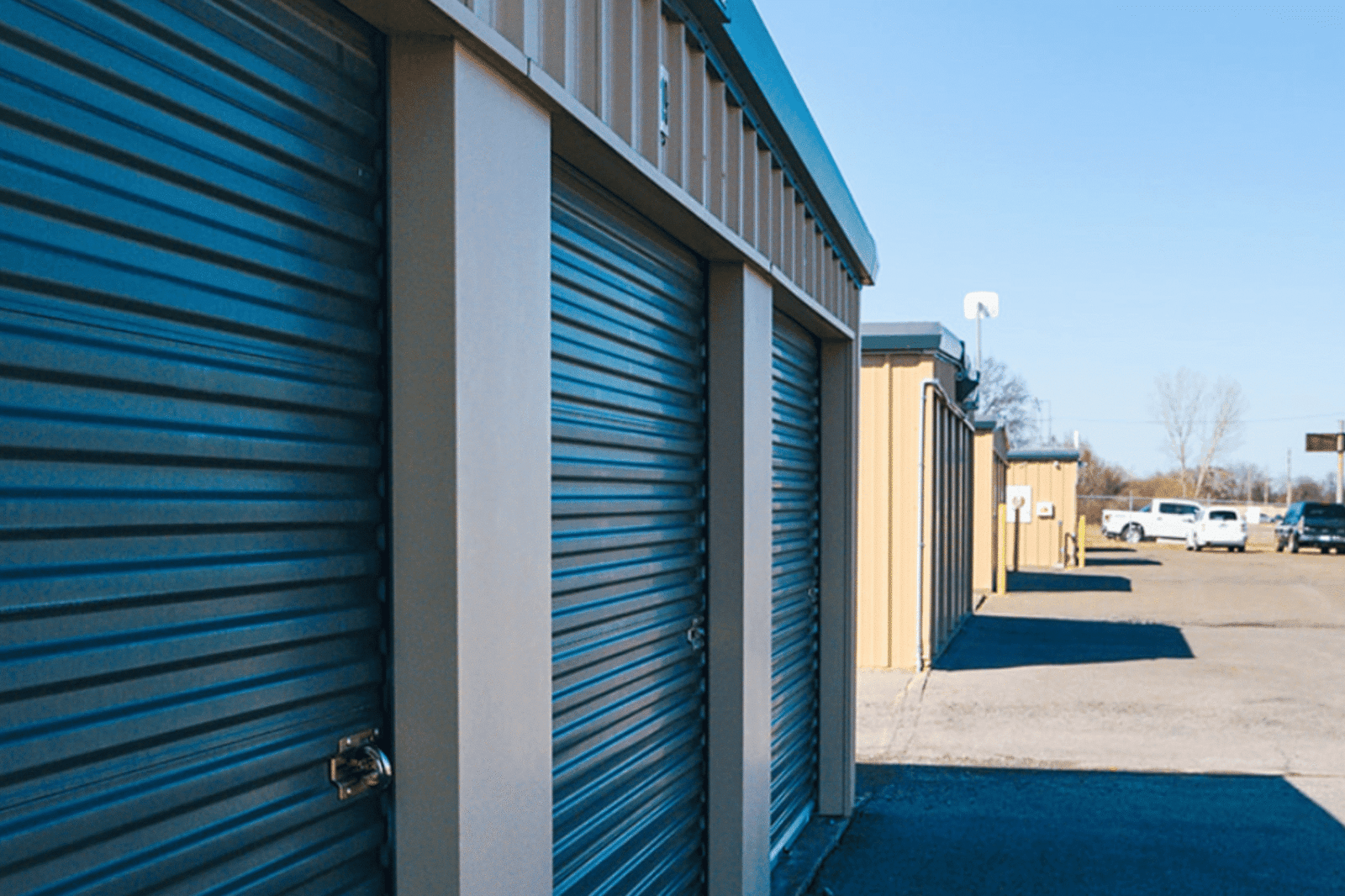
PODS and similar containers are locked, but they’re stored outdoors or in a shared facility where the company stacks multiple containers. Self-storage facilities typically offer better security — dedicated surveillance cameras, gated access, and individual unit locks. In Tulsa, where security standards vary across facilities, a professional storage facility is more likely to have active management and monitoring.
When PODS Actually Makes Sense
Use a portable container service if:
- You’re moving your entire household and convenience matters more than cost
- You have mobility issues and don’t want to load a truck yourself
- You need the container to transport your belongings to a new location
- You can’t make multiple trips to a storage facility
When Self-Storage Makes Sense
Choose a self-storage unit if:
- You’re storing things from one location without moving them elsewhere
- You need ongoing access to your belongings
- Cost is important (and it usually is)
- You’re storing for more than a few weeks
- You want flexibility to upgrade to a larger unit or downsize later
The choice comes down to one question: are you paying for convenience or value? If you’re doing a full household move and time is short, a portable container might be worth the premium. If you’re storing furniture, seasonal items, or overflow from a renovation, a traditional storage unit will save you hundreds of dollars and give you better access to your stuff.
Ready to Reserve Your Click Storage Unit?
No long-term contracts. Reserve online in minutes. Month-to-month flexibility at South Tulsa and Oklahoma locations.
- Reserve Your Unit: https://click4storage.com/locations/
- Contact Us: https://click4storage.com/get-in-touch/
Q&A: PODS vs. Self-Storage
Tap any card to reveal the answer.
Question 01Can I use a PODS container for long-term storage?
Technically yes, but it is expensive. Most PODS contracts favor shorter-term rentals. For anything longer than three months, traditional self-storage is substantially cheaper.
Question 02Do I need climate control with PODS or with a storage unit?
It depends what you’re storing. Electronics, furniture, and fine fabrics benefit from climate control in either situation. Both PODS and quality self-storage facilities offer climate control options at additional cost.
Question 03Can I access my PODS container whenever I want?
No. Access happens when the container is at your location or by special appointment if it is at the facility. This is a major difference from traditional storage unit access during facility hours.
Question 04What happens if I move before my PODS rental ends?
The container can be transported to your new location, which is one of PODS’ strengths. Self-storage does not offer relocation, but you can move the items yourself when you’re ready.
Question 05Is self-storage secure?
Professional facilities like Click Storage have gated access, surveillance cameras, and individual unit locks. PODS containers are secure while in your driveway but less monitored once stacked at a company facility.
Question 06How much cheaper is self-storage than PODS for 3 months?
For three months, PODS might run $600-$1,200 in monthly fees plus delivery fees. A comparable self-storage unit may cost $270-$450. That’s $330-$900 in savings for the same storage period.
Question 07Can PODS handle climate-sensitive items?
PODS offers climate-controlled containers at additional cost. Self-storage facilities also offer climate control. Neither has a significant advantage here. It comes down to which service you choose and whether you opt for climate control.
Question 08What are the hidden costs of PODS?
Hidden costs can include delivery fees, pickup fees, relocation fees if you move the container, and higher monthly rates than self-storage. Over three or more months, the total cost can be two to three times a comparable storage unit.
Question 09Which is better for a home renovation, PODS or self-storage?
Self-storage wins on cost and access for many renovation projects. You can come and go from the storage unit as needed during the renovation. With PODS, you lose easy access once the container is picked up.
Question 10Is a portable container actually more convenient?
It is more convenient to load because the container comes to your door, but it is less convenient to access once picked up. The real question is whether the loading convenience is worth the higher cost and limited access.
Question 11Can I store a car or large vehicle in a PODS container?
No. PODS containers are designed for household goods. For vehicle storage, you need a large self-storage unit, such as a 10×20 or larger, or dedicated vehicle storage at a self-storage facility.
Question 12What should I do if I can’t decide between PODS and self-storage?
Calculate your total cost for your expected storage period, including all PODS fees. Then compare it to a self-storage quote. For most people storing items in the same city for more than a few weeks, self-storage wins on cost and access.