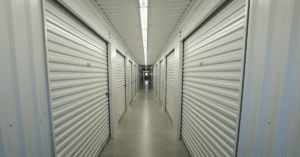
Somewhere in a drawer there’s a key on a ring with a numbered tag, and it hasn’t moved since the week the deployment started. When it finally opens the unit, it reveals a lot of decisions made in a hurry: what the family would take along, what couldn’t come, and what got shoved in at the last minute because the truck had to be back by four.
This is a blueprint for the other side of that story. It’s for the weeks leading up to homecoming, for the day the key fits back into the lock, and for the months after. The focus is the practical side of military return storage in Owasso, OK: who may open the unit, what happens if rent slips, and how to unpack a house that’s still getting back on its feet.
Start With Who Loaded the Unit
The right return plan depends on who packed the items, and it’s typically one of three scenarios:
- The service member loaded the unit themselves in a hurry before departing, so the contents exist only in memory and in a few photos on their phone.
- A spouse or parent made multiple trips and kept visiting throughout the deployment, so they know what’s inside and the returning member doesn’t.
- The family gave up a rental or base housing and put everything into storage, which turns the unit into the whole household instead of the overflow.
Whichever one fits, the first job is the same: get the person who knows the contents and the person who’ll be unpacking looking at one shared list. A twenty-minute video call with a photo walkthrough beats an argument over whose box is whose in the middle of the first week home.
It also helps to settle early who has the final say. When couples divide the packing, they often divide the memory of it too. A returning service member might remember packing a dresser, while the spouse is certain they never did. When everyone agrees on one person to hold the list and one to hold the keys, a lot of small issues lose their steam. If the return involves a trip across an ocean, keep the shared list in a phone note that both people can edit.
What Belongs in Storage During an Overseas Deployment, and What Didn’t Need To
The easiest way to plan what comes out is to look at what went in. Military storage tends to fall into a few common types, and each one raises a different question at homecoming:
- Furniture: It went in because there was no room for it in temporary housing. Now the question is whether it fits the place you’re actually living.
- Off-season and civilian clothes: They were stored when closets were full or the home was shared. Ask whether they’re still in use and whether anyone still wants them.
- Vehicles: A truck, motorcycle, or boat that sat idle for months needs its battery, fuel, tires, and insurance checked before it moves anywhere.
- Tools and hobby gear: They were less urgent while you were away. Decide how much of it will actually get used in the first couple of months.
- Keepsakes and documents: They belong somewhere safe and dry. Some can move back into the house, while others can stay put.
- “Just in case” boxes: These were filled hastily. Open one before deciding anything about the rest.
A few things deserve a second look before they go in or out of a unit at all. Fuel, ammunition, and other hazardous materials are usually prohibited in rental agreements, so ask the facility before storing any of them, including government-issued items. A truck or motorcycle doesn’t have to share a space with the furniture either, and vehicle storage in Owasso exists for exactly that.
How to Reclaim a Storage Unit After Military Deployment in Owasso
Reclaiming a unit seems like one task, but it works better as a series of small steps, in this order:
- Two to four weeks before the return, verify who has access to the account and what the facility requires from anyone representing you. Military OneSource explains that a general power of attorney lets someone act broadly on behalf of a service member, while a special power of attorney covers a specific transaction, and that a military legal services office prepares them for free for the service member. Ask which type the facility wants, since some institutions won’t accept a general power of attorney for anything beyond basic transactions.
- Look at the account itself, including the balance, whether autopay is still running, and where notices have been going. Notices sent to an address you’ve since moved away from can sit unopened for months.
- Ask a spouse, parent, or friend to walk through the unit ahead of homecoming and take photos, so you’re not discovering what’s inside for the first time on arrival.
- Update the access list and gate codes as household members change.
- Set the unload schedule (see the first-thirty-days section below) before any truck pulls up to the door.
If Rent Lapsed While You Were Away
It happens more often than anyone likes to admit, usually because a card expired or a notice went to the wrong address, and the stress that follows can be out of proportion to the actual problem.
There’s an extra layer of protection under federal law here. The Servicemembers Civil Relief Act generally prohibits someone holding a storage lien on a servicemember’s property from foreclosing or enforcing that lien during military service and for 90 days afterward, without a court order. A knowing violation can result in a fine, up to one year of imprisonment, or both.
Oklahoma’s self-service storage lien process also isn’t as fast as people assume. It requires a period of non-payment, written notice, and time to pay before anything can be advertised for sale. Because federal law sits above the state statute, the military protection applies on top of those steps.
None of this is legal advice. The smart move is to call the facility and a legal assistance office early, before the situation escalates.
The Household That Came Back Is Not the One That Left
A storage unit is a time capsule, and nobody warns you how strange it feels to open one. The couch you loved doesn’t fit the rental you’re in now. The toddler who was in a crib is in a bed, so the crib is just taking up room. A spouse who managed alone for a year may have reorganized the whole system, and some of what’s in the unit may belong to a version of the household that no longer exists.
That’s why the contents shouldn’t be judged against the old life. Compare them to the one you actually live in, and expect a few of the answers to sting a little. A returning service member may also feel a pull to hang on to everything simply because it survived the year, which is understandable and worth noticing before it turns into another twelve months of rent.
A simple test makes the sorting easier. Hold up each item and ask three questions:
- Would I buy this again today at what it’s worth now?
- Does it have a place in the home we’re living in, not the one we left?
- Does anyone in the house need it?
An item with zero yeses goes in the donate or sell pile. One yes can wait until the day-sixty check. Two or three yeses means it comes home. It isn’t a perfect system, but it keeps the decision from turning into a debate about loyalty to old furniture.
The Paper Side of Coming Home
Paperwork is the boring part of a homecoming, and it’s also the part that causes the most trouble when it gets put off. A unit that sat quietly for a year has probably collected a few loose threads, and tying them off early costs far less than untangling them later.
Start with the account. Request an up-to-date statement from the office showing the payments, who made them, and when, and confirm the lease terms in writing, including any rate changes during your absence. Some locations offer military discounts or special arrangements for deployed personnel, but they vary from place to place, so check with each facility instead of assuming.
Then fix the address and the payment method. Update your contact details, switch autopay to a card that won’t expire next month, and add an email or phone number that actually gets checked. If someone else looked after the account during your absence, thank them and take over together rather than just taking it over, since a year of habits and quirks lives in their head.
Last, check your coverage. A policy that suits a unit holding overflow might not suit one that holds an entire household’s contents, and your renters or homeowners insurance agent can advise you on what applies to belongings stored off-site.
The First Thirty Days: Resist the Urge to Empty the Unit
Homecoming day tends to generate a flood of plans, and a full storage unit is an easy place to aim them. Military OneSource’s reintegration guidance describes the first weeks home as a period of adjustment, encourages families not to overschedule, and notes that routines, roles, and relationships shift over months, not days.
A staged return respects that. During the first week, bring home only the items that make the home work, such as beds, daily clothes, and the missing pieces in the kitchen. Over the next three weeks, add the favorite chair, the hobby gear, and the items that make the space feel like yours again, pulling a little at a time so nothing lands in the garage as a brand-new pile. Then wait. By around day sixty, you’ll know which things you actually missed and which you never thought about once.
Owasso, Specifically
Owasso is a northern suburb of Tulsa, about 12 miles out, spanning parts of Tulsa and Rogers counties, with roughly 38,000 residents at the 2020 census. The 138th Fighter Wing of the Oklahoma Air National Guard is based at Tulsa International Airport, and Guard and Reserve families come home to their own neighborhoods and jobs instead of to a base community. A lot of reintegration here happens at kitchen tables in places like Owasso.
If you’re hauling a recliner out in the middle of January, access matters more than a brochure makes it sound, which is the argument behind why drive-up storage in Owasso beats a garage. Anyone planning military return storage in Owasso, OK, whether comparing storage units in Owasso, OK, for a return or setting up a new unit ahead of one, can ask the Owasso location about sizes and access before the date. Household goods fall under personal storage.
Whenever the unit does get emptied, that key on the ring will either go back in the drawer or get turned in at the office, and it’s worth deciding which on purpose.
FAQs
What if my deployment gets extended?
Keep the account active, and make sure the person managing it can make decisions and has the facility’s contact information. Dates can move, so treat the original return date as an estimate. The Servicemembers Civil Relief Act protection described above runs through military service and 90 days afterward, not to a fixed calendar date.
Can my spouse reclaim or empty the unit without me?
That depends on how the account is set up and on the facility. The best approach is to add your spouse or another trusted person as an authorized user before you leave, and to keep a power of attorney on hand in case the facility requires one. A call to the office will tell you exactly what they’ll want to see.
Can I store firearms, ammunition, or fuel in the unit?
Ask first. Rental agreements typically don’t allow hazardous or flammable materials, and policies vary from one facility to another, so get the answer in writing before any such materials are brought in. Firearms are a separate question to put to the facility directly.