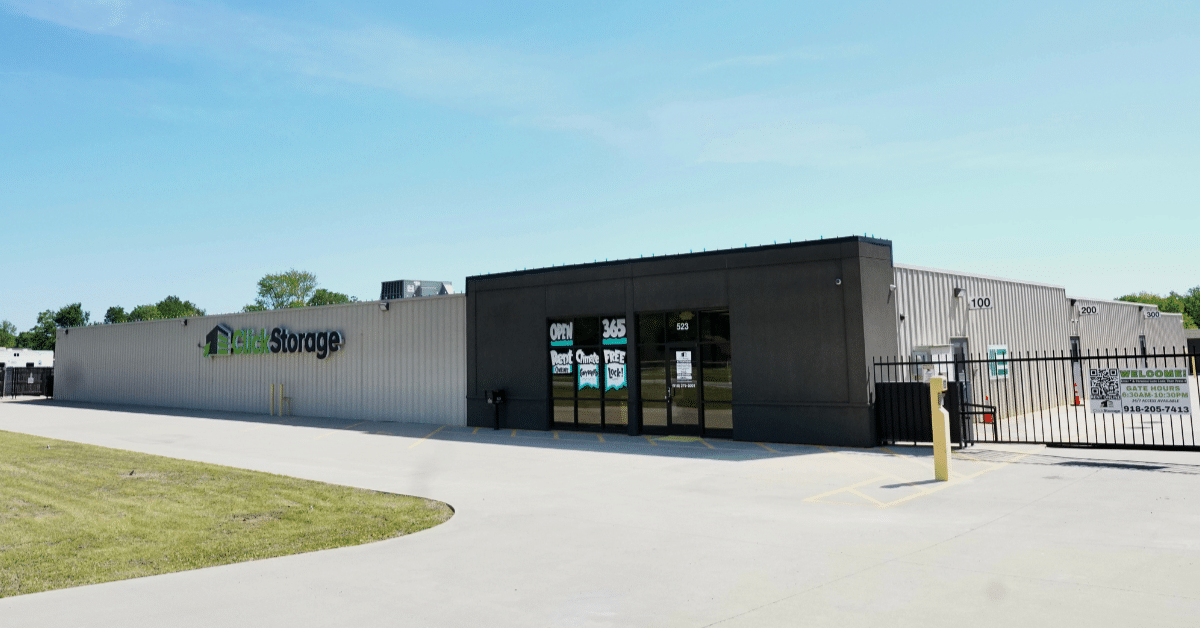
They often move quickly between job sites and need the right tools ready at the right moment. A well-planned contractor storage setup in Catoosa, OK, can make that easier by turning a storage unit into a tool-dispatch zone instead of just a place to dump extra equipment. Mobile crews become genuinely more mobile once their unit is organized around staging, loading, and daily access.
If you work near the Port of Catoosa, a drive-up unit is especially practical, since it gives your crew a single accessible spot for tools, consumables, backup supplies, and project materials. The result: your crew can prepare for the next shift easily, restock after a busy day, and keep work equipment separate from personal items or jobsite debris. Let’s break it down.
Why Catoosa Contractors Need a Dispatch Zone
Contracting work in Catoosa picks up heavily each spring, and crews need a reliable dispatch zone for their tools just as much as they need clear roads to get to the job site. Contracting work is rarely static. Your crew might leave one site early and load up materials for the next day’s job, and employees may need access to different tools depending on the job at hand. Without a central staging area, the result is chaos.
If your equipment tends to scatter across trucks, trailers, garages, and temporary job boxes, a dispatch zone creates a single space where tools stay staged and grouped together. There’s no need to unpack and repack everything every single day. Your crew can use a storage unit as their operational base, especially if you’d rather not rent a warehouse.
If you’re a port-area contractor, your work may involve maintenance, installation, appliance repair, freight support, or commercial service. A good tool storage setup near the Port of Catoosa gives your crew that much-needed flexibility without adding a full commercial lease to the budget.
What a Tool-Dispatch Zone Should Do
A real dispatch zone isn’t just about storage. Think of it as a small operational hub. It should make it easy to stage tools in the evening, load them in the morning, and return them in an organized way once work is done. If your secure self-storage unit in Catoosa is planned correctly, it becomes part of your crew’s actual workflow. A strong dispatch zone should:
- Keep commonly used tools easy to access
- Separate clean tools from dirty or damaged ones
- Provide quick visual checks for missing items
- Hold consumables like blades, tape, fasteners, and batteries
- Support safe loading and unloading from the vehicle
Setting up this kind of zone matters, since contractors lose real time searching for equipment. Every missing extension cord, misplaced drill, or buried box of fasteners leads to real delays. A good system cuts down on those problems so your crew can stay focused.
How to Organize Contractor Tools in a Storage Unit
There are plenty of ways to organize a self-storage unit to make the most of the space available. Think in zones, dividing the unit by function rather than stacking things randomly. A clear structure makes the whole space easier to use. A practical layout should include these major zones:
| Zone | Purpose |
|---|---|
| Front Zone | High-use tools |
| Middle Zone | Backup tools and project materials |
| Side Zone | Consumables and small parts |
| Separate Area | Dirty, broken, or repair-needed items |
| A Shelf/Bin System | Paperwork, manuals, and labels |
Shelving also helps you make the most of vertical space. Shelves let you see different categories at a glance, so you don’t have to stack everything on the floor. Clear bins let workers identify items without opening dozens of containers. Keep heavy tools low, and let lighter tools and consumables go higher, which keeps the whole setup safer overall.
Best Storage Layout for Mobile Crews in Catoosa
The best storage layout for a mobile crew supports fast, repeatable loading. Crews should be able to walk in, grab the right gear, and leave without having to move other boxes around first. This layout should follow the way your team actually works. A solid setup looks something like this:
- Front Row: The ideal spot for tools your crew uses every single day, placed near the entrance, things like drills, impact drivers, extension cords, chargers, gloves, tape, measuring tools, and inspection gear.
- Middle Row: Works well for project-specific equipment, backup tools, and seasonal gear, such as ladders, saws, vacuums, spare parts, fastener bins, and boxed materials. These items matter, but your crew won’t need to reach them as often as the daily-use tools.
- Back Row: Reserve the back of the unit for rarely used tools and long-term storage items. This is a great spot for extra equipment that needs to stay protected until it’s actually needed.
- Side Wall: Reserve one side of the unit for inventory labels, spare PPE, and any paperwork your team needs to track equipment or jobs. A side wall can also hold hooks, racks, or smaller organizers, as long as the facility allows it.
What Should Go in the Unit
A contractor storage setup in Catoosa, OK, should be built around the real needs of the crew. Simply put, use your tool-dispatch unit for gear your crew relies on regularly, along with anything too bulky or valuable to leave in a vehicle long-term. The goal is to avoid mixing everything together. It’s a dispatch point, not a catchall space. Common items in a tool-dispatch zone include:
- Drills, drivers, and batteries
- Extension cords and charging stations
- Hand tools such as hammers, pliers, screwdrivers, and wrenches
- Levels, tapes, and measuring tools
- Safety gear like gloves, eye protection, and hearing protection
- Fasteners, anchors, nails, screws, and small parts
- Ladders or step stools
- Tarps, drop cloths, and protective coverings
- Cleaning supplies for jobsite wrap-up
- Spare consumables and replacement parts
- Work lights, flashlights, and lanterns
- Tool bags or job-specific kits
How to Create Job-Specific Kits
One of the smartest ways to use equipment staging in Catoosa is building job-specific kits. There’s no need to load every tool for every project. Crews can prepare smaller kits based on the type of work they do most often. An electrical kit, for instance, might include testers, cutters, wire strippers, tape, connectors, and safety gear.
A maintenance kit can hold screwdrivers, pliers, lubricants, fasteners, and cleaning supplies, while a general repair kit might include drills, drivers, utility knives, levels, and measuring tools. Having these kits prepacked saves time and reduces the chance of forgetting something important. It also helps new team members get oriented faster, since the organization already matches the workflow.
How to Manage Equipment Staging in Catoosa
Equipment staging works best when a unit supports both loading and accountability. If tools go out often, they need to come back with just as much structure. Otherwise, a storage unit can slowly become disorganized and less useful. A solid staging routine looks something like this:
- Stage tools at the end of the workday
- Check for missing or damaged equipment
- Return tools to their labeled zone
- Restock consumables and battery chargers
- Prepare the next day’s kit before leaving
Drive-Up Access and Why It Matters
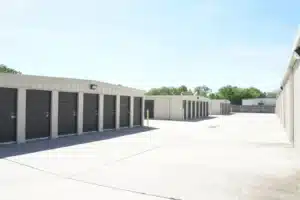
Drive-up storage for contractors in Catoosa is especially practical, since your crew can back right up to the unit and move equipment quickly. It’s a real advantage when tools are heavy, bulky, or being loaded in a hurry before a job. This convenience helps in bad weather and during repeat visits alike, whether your crew stops by early in the morning, after dark, or even between jobs. A drive-up layout minimizes the effort needed to grab needed gear.
This approach also helps with dirty equipment. Tools that tend to accumulate dust, grease, or even mold stay separate from your home or office when kept in a drive-up unit. That separation makes a real difference in keeping work and personal life from blending together. Your tools also stay secure and ready to grab at any hour.
Keeping Tools Secure and Ready
Finding a storage facility with reliable security matters a great deal when you’re storing contractor tools. These tools tend to be expensive, and even a single missing drill can put a real dent in the budget and cost an entire day of work. That’s why lockable bins and sturdy cabinets are worth using. Here are a few more tips for keeping tools secure:
- Keep your most valuable gear grouped together and check it often
- Store high-value tools where you can inspect them quickly and easily
- Photograph expensive equipment before storing it to build more accountability among crew members
Consumables and Small Parts
Many contractor operations lose more time to small items than to big tools, since big tools are harder to lose track of or misplace in storage. Smaller items like fasteners, blades, connectors, anchors, batteries, and tape get lost far more easily and often disappear into drawers or truck compartments. Use smaller bins, drawer organizers, and lidded containers for consumables, and label each one clearly for easy identification.
This matters even more for mobile crews, since small items are often the first thing needed at a job site and the easiest thing to forget. A tidy system helps avoid that problem entirely.
How to Keep the Unit Efficient Over Time
A storage layout only works if it’s maintained properly. Crews should review the storage unit regularly, not just when a problem comes up. A quick, consistent check works better than an occasional deep dive. During each check, it helps to restock consumables, return stray tools to their zones, remove unused items, confirm labels are still visible, and update the inventory list accordingly.
Tips for Mobile Crews in Catoosa
- Keep common tools nearest the door
- Store dirty tools separately from clean tools
- Use bins for parts instead of loose boxes
- Keep charging gear in one dedicated spot
- Put safety gear in a grab-and-go container
- Leave enough aisle space to move quickly
- Create one area for the next day’s loadout
Who Benefits Most From This Setup?
This type of storage works well for general contractors, maintenance crews, electrical and plumbing teams, HVAC service providers, handymen, and similar tradespeople. It also suits specialty trade businesses or small local companies without a shop, yard, or warehouse of their own. It’s a great fit for independent contractors who work out of trucks and trailers too.
Why It Works Near the Port of Catoosa
The Port of Catoosa area is a practical base for doing business, especially for crews who need to move equipment quickly and access tools without delay. Renting a nearby unit gives you a staging point that supports early starts, fast turnarounds, and daily routine flexibility. For crews that stay constantly on the move, a tool-dispatch zone near your work area is more valuable than a distant warehouse or a cluttered garage, and it cuts down on dead time throughout the day.
Find the Best Tool Storage Near Port of Catoosa
A contractor storage setup in Catoosa, OK, can do much more than hold equipment. Arranged as a tool-dispatch zone, it becomes a genuine part of the workday, helping crews stay organized, efficient, and ready for the next job. For businesses looking for tool storage near the Port of Catoosa, that kind of setup offers a real operational advantage.
Book your self-storage unit today and keep your tools dispatched from a secure, climate-controlled facility right here in Catoosa, OK.