Somewhere in every caterer’s garage there’s a chocolate fountain. It was purchased for one wedding, used twice, and has been parked behind the folding tables ever since, in anticipation of a client who asks for it by name. No one wants to throw it out, and no one can reach it without shifting six other things first.
Food service has a particular storage problem, because the menu changes and the equipment changes with it. A spring graduation buffet needs different gear than an October tailgate, and a December office party needs something else again. Add that up across everything you offer, and the kitchen starts to sink under the weight of its own stock.
This guide to catering storage in Joplin, MO, is for operators who are tired of tripping over last season. It covers what belongs in a rented unit and what doesn’t, how to pack and prepare equipment, and how to pick the right size without guessing.
Your Menu Calendar Is Really a Storage Calendar
Start by writing down what each menu requires. Not the recipes, the hardware. It tends to sort itself by season:
- Spring: Graduation and wedding menus call for extra chafing dishes, tiered serving stands, and linens.
- Summer: Barbecues bring grills, large beverage holders, and cooler carts.
- Fall: Tailgate setups, soup service, and warming equipment that sits idle the rest of the year.
- Holidays: Carving stations, dessert displays, and an unexpected number of serving platters.
Seen that way, a lot of the equipment in a catering kitchen runs on a schedule, even if nobody wrote the schedule down. Items used four times a year don’t need to live in the same spot as items used four times a week. That’s the whole idea behind seasonal menu equipment storage, in Joplin or anywhere else.
One good test is to pick up each piece and ask: when did this last leave the building? If the answer is more than three months, it probably doesn’t need prime real estate near the kitchen door.
How Should a Joplin Catering Company Store Off-Season Serving Equipment?
Gear going into a unit for catering storage in Joplin, MO, will sit there for months, so how it goes in matters as much as where it sits. A few habits do most of the work.
Start Clean and Dry
Clean and dry everything first. A single damp or dirty tablecloth can compromise a whole shelf of stored items and lead to mold or mildew in the unit.
Protect What Dents and Breaks
Chafing dishes and hotel pans store best in their own containers with lids, and a cloth between nested dishes prevents scratches. Glassware needs dividers, and linens are better off in breathable bags than in plastic.
Layout and Labels
Put the most-used items near the door and the once-a-year items at the back, so the carving station doesn’t block the cooler carts. Label each bin by event type or season instead of contents, since “Graduation” is easier to find at 6 a.m. than “misc serving.”
If you’re storing wooden furniture, decorations, or anything that may warp, ask the facility about climate-controlled units. Check what that actually means at the location you’re considering, and don’t assume the label promises a specific temperature or humidity range.
Buy It, Rent It, or Store It?
Every new menu tempts you to buy another gadget. A cocoa station looks great in the pitch and a lot less great in March, when it’s taking up a shelf. Before investing in anything for a seasonal menu, ask three questions:
- How many events will actually use it this year?
- Could a rental company cover those dates?
- Where will it live for the other ten months if you buy it?
Storage turns the third question into a number. If renting space to hold a piece of equipment costs more than renting the equipment each time you need it, renting wins. If you’ll use it regularly, the cost of storage is relatively small. The mistake is buying first and discovering the answer later.
The same logic applies in reverse. Equipment bought years ago that hasn’t been used since the last big season is a candidate to sell, which clears space and frees up the monthly rent.
Food Trucks, Pop-Ups, and Seasonal Stands
Caterers aren’t the only food service operators with this problem. Whether you’re selling from a truck, a booth at a holiday market, or a pop-up stand, you’ll have equipment with no place to call home for half the year.
Joplin has specific rules for mobile and temporary vendors. According to the City of Joplin’s Environmental Health Division, mobile vendors need a business license and a health permit and must report to an approved commissary, while temporary vendors need permits for each event and are inspected after setup. Requirements can change, so confirm the current rules with the city before planning around them.
That’s why organized equipment matters for seasonal operators. When a permit window opens, you want every sink part, warming tray, signage panel, and table cover accounted for. Hunting for a missing piece the day before an inspection is a bad use of an afternoon.
For this kind of food service equipment storage in Joplin, Missouri, a small unit is often enough. A stand’s worth of gear doesn’t take much room when it’s cleaned, packed by function, and labeled.
What Never Goes in the Unit
This is the part that catches people. Catering involves a few items that most storage facilities restrict or prohibit, and finding out after you’ve moved in is an expensive way to learn.
Fuel and Chemicals
The main one is fuel. Canned chafing fuel, propane tanks, and burner equipment containing fuel are generally restricted because of flammability, so check with the facility and plan to store them elsewhere. The same goes for cleaning chemicals.
Perishable Food
Perishable food doesn’t belong in a unit either. Even shelf-stable ingredients can attract pests, so most operators keep all food in their kitchen or a permitted food storage space and use the unit for equipment only.
Before you rent, put the exact question to the office: what’s prohibited, and in what form. Get the answer in writing, since it’s far easier to settle at the start than in a dispute later.
A Rented Unit Is Not a Health-Code Space
There’s a regulatory angle that storage articles rarely cover. The City of Joplin requires food service establishments to be inspected and permitted before serving food to customers, and mobile vendors must report to an approved commissary.
A storage unit is not a permitted kitchen or commissary, and renting one doesn’t change what your health permit requires. Treat the unit as a place for clean, dry equipment that returns to your kitchen before it touches food again, and wash and sanitize anything that has been sitting for months before it goes back into service.
If you’re not sure how your setup is classified, the city’s Environmental Health Division is the right place to ask. The answer depends on how you operate, so ask before you assume.
What Unit Size Works for Catering Inventory in Joplin?
There’s no single right answer, since a caterer doing six events a year has different needs than a full-time wedding operation. The real question is how many people your largest service will feed, and that’s where catering storage sizing begins.
Start With Your Biggest Event
Pick one of your biggest events and list what it consumes: tables, chairs, linens, chafers, serving pieces, glassware, and display materials. Then ask how much of that sits unused for weeks or months at a time. That surplus is your storage inventory.
Rough Sizes by Operation
- 5×10: Typically holds the linens, serving pieces, and a few chafers for a small caterer.
- 10×10: Gives you room for folding tables, an equipment rack, and bins of décor.
- 10×15 or 10×20: Starts to become practical when you’re providing seating and tables for 100 or more guests.
If you’re leaning toward the larger sizes, a look at what fits in a 10×20 storage unit in Joplin can help you picture it. These are only guidelines, so check out a unit with a tape measure and your own inventory list before you commit, and see our storage size guide for more.
One more tip: keep an open path. A unit packed wall to wall saves rent on paper and costs you hours in practice.
Tables, Chairs, and Other Awkward Things
Organizing small gear is easy. The problem is the large items: folding tables, stacking chairs, rolling racks, and the tall display stands that never fit into any bin.
Stand folding tables on edge against a wall with a blanket or foam between them to prevent scratching, and store chairs in short, stable stacks rather than towering ones. Park rolling racks along one side so the aisle stays open. Anything with wheels deserves a quick lock or a wedge so it doesn’t wander.
It also helps to ask your regular venues what they’ll allow. Some let a caterer leave tables and warming equipment on-site between events, which reduces what you have to haul and store. A short conversation with a venue manager can shrink the unit you need by a full size.
Why the Central City Road Location Might Fit
Distance changes how you use a unit. If it’s 20 minutes from your kitchen, you’ll think of it as a warehouse and rarely go there. If it’s five, it becomes a pantry shelf, and the equipment rotates constantly.
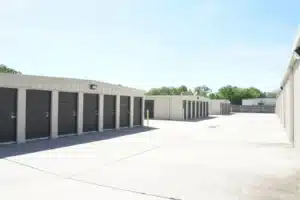
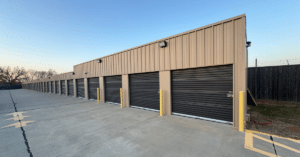
If you drive regularly between your kitchen, your event spaces, and your suppliers, Click Storage’s Joplin Central City Road location is a convenient stop for catering supply storage. Time the drive from your own door in a typical week, and compare access hours with your actual load-in schedule, since an early morning event doesn’t wait for the gate to open.
For food service operations, ask about business storage. Tell the office how you’d use the unit, who needs access, and what you’d store, and you’ll find out quickly whether the arrangement fits.
Before the Season Opens
The most useful storage habit is the one that happens when equipment comes back out. Getting ready for outdoor catering season means checking ovens, beverage dispensers, and refrigeration units before each event, replacing worn wheels, and cleaning equipment thoroughly before it goes into storage at season’s end.
It’s best to replace missing or damaged flatware and table settings, which are easy to lose, and to confirm with suppliers well ahead of time that they’ll have enough disposables for each date.
A unit makes that easier, because everything for the season is in one place. Pull it all out two to three weeks before the first major event, test every powered component, clean and disinfect whatever needs it, and record what’s missing. A weekend of this beats discovering a broken warming tray on the morning of a wedding.
A Small Habit That Pays Off All Year
Keep a one-page inventory that lives with the unit. List the bins, what’s in them, the date they went in, and the last time each was checked. When an inquiry arrives for a 200-person event, you’ll be able to tell in two minutes whether you have enough chafers or need to rent.
Count breakage after each event, too. A few lost forks and a chipped platter aren’t a crisis, but ten events in a row without a count means you’ll find out all at once that the set is short.
Whatever your next menu is, a little planning now means the equipment for the one after it won’t be in your way. It’s not about creating a flawless storage space. It’s about a kitchen where the things you use this week are within reach, and the chocolate fountain is somewhere you can find it when that one client finally asks.
If you’re ready to see how a unit might work for your inventory, the Central City Road location is a good place to start the conversation.
FAQs
Can I store chafing fuel or propane in the unit?
Usually not. Most facilities restrict flammable items in their rental agreements, and the rules differ from one facility to another. Ask the office, and plan on storing fuel somewhere designed for it.
Is it okay to leave linens in a unit all winter?
Yes, as long as they’re clean, completely dry, and stored in breathable bags or bins. Washing before storage keeps stains from setting, and dampness is what turns a simple linen shelf into a mildew problem.
Can I prep food or run my catering business from the unit?
Food prep should happen in a permitted kitchen, and many facilities have rules against running a business from a storage unit, so ask before you plan around it. Most caterers use a unit strictly for equipment and keep operations in their kitchen.