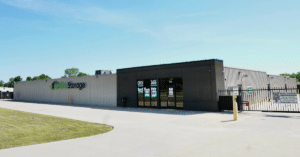
Heat, humidity, dust, mold, and rough handling can all slowly damage both records and turntables.
Oklahoma’s changing weather, along with seasonal shifts in indoor temperature and humidity, creates additional challenges for vinyl collections. Protecting a collection takes more than simply placing records on a shelf.
Records should be stored properly, cleaned regularly, and kept in stable environments to help them stay flat and sound clear for years. A controlled environment minimizes the risks often tied to vinyl collections, which is why many collectors opt for vinyl record storage in Bixby, OK.
What Destroys Vinyl Records?
How a record is stored directly affects its lifespan. Over time, heat, moisture, dust, and improper handling degrade sound quality and cause vinyl to deteriorate. Proper vinyl record storage in Bixby, OK, helps collectors avoid these common problems by keeping records away from the specific conditions that damage them. Here’s what tends to cause the most harm:
- Excessive Heat Exposure: High temperatures cause vinyl to soften over time, resulting in permanent warping and affecting playback quality and tracking accuracy.
- High Humidity Levels: Moisture promotes mold growth on record sleeves and can lead to surface contamination and mildew.
- Improper Stacking: Records stacked horizontally under excessive weight bend the discs and permanently alter their shape.
- Dust and Dirt Buildup: Fine dust and dirt particles get trapped in record grooves, causing unwanted noise during playback and extra wear on the stylus.
- Frequent Mishandling: Touching playing surfaces with bare fingers transfers oils and debris that gradually reduce sound quality.
Can Turntables Go in a Storage Unit?
Turntables can stay in storage for extended periods if they’re packed properly and protected from damaging environmental conditions. Turntable storage in Bixby inside a climate-controlled facility helps minimize stress on sensitive electronic and mechanical parts. A few things are worth keeping in mind before putting a turntable into storage:
- Secure Moving Components: Remove the platter, counterweight, and dust cover before storing to reduce stress on fragile internal parts.
- Protect the Tonearm: Lock the tonearm securely or cushion it carefully to prevent movement during transport and storage.
- Use Original Packaging: Factory packaging offers the best protection, since it supports sensitive components with properly fitted inserts.
- Maintain Stable Temperature and Humidity: Climate-controlled storage reduces the swings that can damage electronic circuits and rubber components.
- Use Dust Covers or Protective Wrapping: This keeps the unit covered, prevents dirt buildup, and protects sensitive surfaces from scratches and debris.
How Should Vinyl Records Be Stored in Oklahoma Humidity?
Vinyl records and paper jackets are both affected by humidity. Too much moisture promotes mold growth, while too little can make sleeves brittle. Stable conditions are the safest option. Avoiding moisture damage is a real challenge in Oklahoma, and collectors benefit from paying attention to humidity before it becomes a problem. Here are the key steps worth keeping in mind.
Maintain Consistent Humidity
Keeping humidity relatively constant throughout the year helps records last much longer. Tightly packed shelves are more prone to mold growth, and paper jackets take on extra stress from sudden humidity swings. According to the Library of Congress, stable temperature and humidity conditions rank among the most important factors in preserving audiovisual collections.
Any room comfortable for people is usually much safer for records than a garage, attic, or outdoor storage building. In a climate-controlled record storage facility, the environment changes more slowly, resulting in fewer moisture-related issues.
Use Proper Shelving
Strong shelving supports records evenly, preventing the kind of pressure that leads to leaning or bending over time. Keep records upright with enough support to stay standing, but without packing them too tightly together.
Avoid thin wire shelving, since it can cause records to lean off the shelf. Wood or metal shelving with solid support works much better for long-term storage, and good shelving also improves air circulation around the collection, helping minimize moisture. Many vinyl owners also organize their records by genre or size, which keeps everything easy to access without excessive handling.
Stay Out of Garages and Attics
In Oklahoma homes, garages and attics see the widest temperature and humidity swings, running hot in summer and cold in winter. These spaces also trap more dust and moisture than conditioned indoor areas.
Minimizing environmental fluctuations helps sensitive materials last far longer. An extra bedroom, a closet inside the living space, or a climate-controlled storage unit typically works much better. Oklahoma collectors who want to avoid warped vinyl generally steer clear of unconditioned spaces altogether.
Don’t Let Records Fall to the Floor
Records left on the floor face accidental spills, minor flooding, dust buildup, and the cooler, damp air that tends to settle near concrete. Store boxes several inches off the floor using shelving, pallets, or risers, which adds real protection against unexpected moisture problems.
Elevated storage also makes it easier to clean and inspect a collection. Many owners in climate-controlled environments also use raised shelving along with plastic or archival boxes to further protect records from dust and humidity.
Inspect Collections Regularly
Long-term storage calls for periodic checks on a vinyl collection. Review records now and then for musty smells, warped jackets, mold spots, or moisture in the sleeves. Catching problems early makes it far easier to fix them before they spread through an entire collection.
Clean shelving surfaces, replace broken sleeves, and rotate tightly packed areas as needed. Routine inspection remains one of the key preservation practices for any stored collection. Collectors using vinyl record storage in Bixby, OK, typically keep a basic inventory and inspection log to track changes over time.
Tips for Preventing Warping
How long a vinyl collection lasts often comes down to the conditions it’s stored in. In Oklahoma, where temperatures swing so widely, consistency matters a great deal, since every temperature swing puts stress on the records themselves. Climate-controlled record storage keeps conditions stable, which limits the tiny structural movement that happens inside the vinyl itself.
Store Vertically
Records should never sit stacked flat. Vertical storage distributes weight evenly and avoids the constant pressure that can permanently bend a disc. Records also shouldn’t be pushed against each other on the shelves; each one should be fully supported.
Good shelving significantly supports the long-term preservation of audiovisual materials. Collectors using vinyl record storage in Bixby, OK, frequently rely on heavy-duty record shelving built specifically to keep records upright and prevent them from leaning.
Keep Records Away from Windows
Surface temperatures can rise from direct sunlight even when the surrounding air feels perfectly comfortable. Over time, heat passing through windows can soften vinyl, leading to permanent warping and sleeve discoloration.
Records placed near exterior walls also experience greater temperature swings throughout the day. A climate-controlled environment offers stronger protection, since conditions shift far less abruptly. Collectors trying to prevent vinyl warping generally avoid placing records anywhere exposed to long stretches of sunlight, especially during Oklahoma’s warmer months.
Leave Space
Shelves should be filled, but never overfilled. A little space between albums relieves pressure and simplifies record removal without scraping the edges of jackets. Overcrowded shelves also create friction, which wears down outer sleeves over time. Avoid pushing an oversized box set into a space that’s too small, since the added pressure will eventually affect neighboring records. With proper spacing and climate-controlled storage, a collection stays organized while minimizing physical stress on individual albums.
Tips for Preventing Mold
Mold remains one of the most serious threats to a vinyl collection, since it can grow undetected for a long time. Once mold gets into sleeves or record surfaces, it becomes extremely difficult to clean. Stable environmental conditions and the right storage materials go a long way toward minimizing moisture problems in the first place. Many collectors rely on climate-controlled storage for their vinyl collections year-round. A few tips that help prevent mold:
Target 45%–55% Humidity
Preservation experts generally agree that moderate humidity works best for preserving vinyl records and paper sleeves. Too much moisture can cause mold growth, while too little can cause packaging materials to deteriorate over time.
One of the best preservation techniques for any archival collection is keeping relative humidity stable. Vinyl record storage in a climate-controlled environment helps maintain those conditions through seasonal changes without requiring constant adjustments at home.
Avoid Damp Areas
Basements, garages, sheds, and unfinished storage rooms often carry higher humidity than living areas. Concrete walls and poor ventilation let moisture penetrate and create conditions where mold can thrive.
Clean-looking storage areas can still hide moisture after heavy rain or humid weather, which is why Oklahoma collectors generally opt for indoor, climate-controlled units to avoid the risk of warping. Garages and outdoor buildings are never as reliable as indoor, climate-controlled spaces.
Use Poly-Lined Sleeves
Inner sleeves are a great way to protect record surfaces from dust, scratches, and moisture exposure, and better-quality options are widely available. Poly-lined sleeves create less friction and preserve records better than older paper sleeves, which tend to collect dirt or shed fibers.
Replace worn or damaged sleeves before long-term storage. Organized shelving and clean sleeves reduce unnecessary handling whenever records get pulled out. Vinyl record storage in Bixby, OK, gives collectors a dedicated place to keep valuable albums safe for the long haul.
How to Avoid Damage to Stylus and Record
Record care isn’t just about storage. Playback habits affect the condition of both vinyl and stylus over time. Minor maintenance steps help preserve good sound quality and minimize unnecessary wear with each listening session. Collectors who use turntable storage in Bixby tend to build a cleaning routine into the process before returning items to storage.
Clean Up Before Each Play
Dust particles trapped in record grooves cause friction, unwanted pops, and crackles during playback. A carbon fiber record brush removes loose debris in seconds before each listening session, and clean records also help minimize stylus wear over time.
Surface cleaning remains a genuinely valuable preservation technique for recorded media. With regular maintenance and climate-controlled record storage, records and playback equipment can stay in great shape for many years.
Isolate Your Turntable
Turntables perform best on a flat, stable surface with minimal vibration. Movement from foot traffic, speakers, or unstable furniture affects playback accuracy and speeds up stylus wear. Isolation platforms or solid shelving help minimize unwanted vibration during listening sessions.
Make sure removable parts are secured before transporting equipment to avoid damage. When owners opt for turntable storage in Bixby, they typically store accessories in labeled containers, which keeps setup simple once everything comes back out of storage.
Inspect and Clean the Needle
The stylus needs regular inspection, since dust buildup affects playback quality and causes unnecessary wear on the grooves over time. After a few listening sessions, use a stylus brush or manufacturer-approved cleaner to safely remove debris.
Replace needles according to the manufacturer’s instructions, since worn needles can permanently scratch valuable records. Regular inspections help protect both the equipment and the music collection itself.
Protect Your Vinyl Collection With Click Storage
Protecting vinyl records and turntables starts with stable storage conditions. The right preservation habits keep collections sounding their best for years to come while minimizing damage from heat, humidity, dust, and improper storage.
Choosing the right storage facility matters just as much, especially for collectors focused on keeping their vinyl in top shape long-term. That’s where Click Storage comes in. Choose Click Storage for secure, climate-controlled storage that keeps your vinyl records, turntables, and music collection safe, accessible, and protected throughout the year.