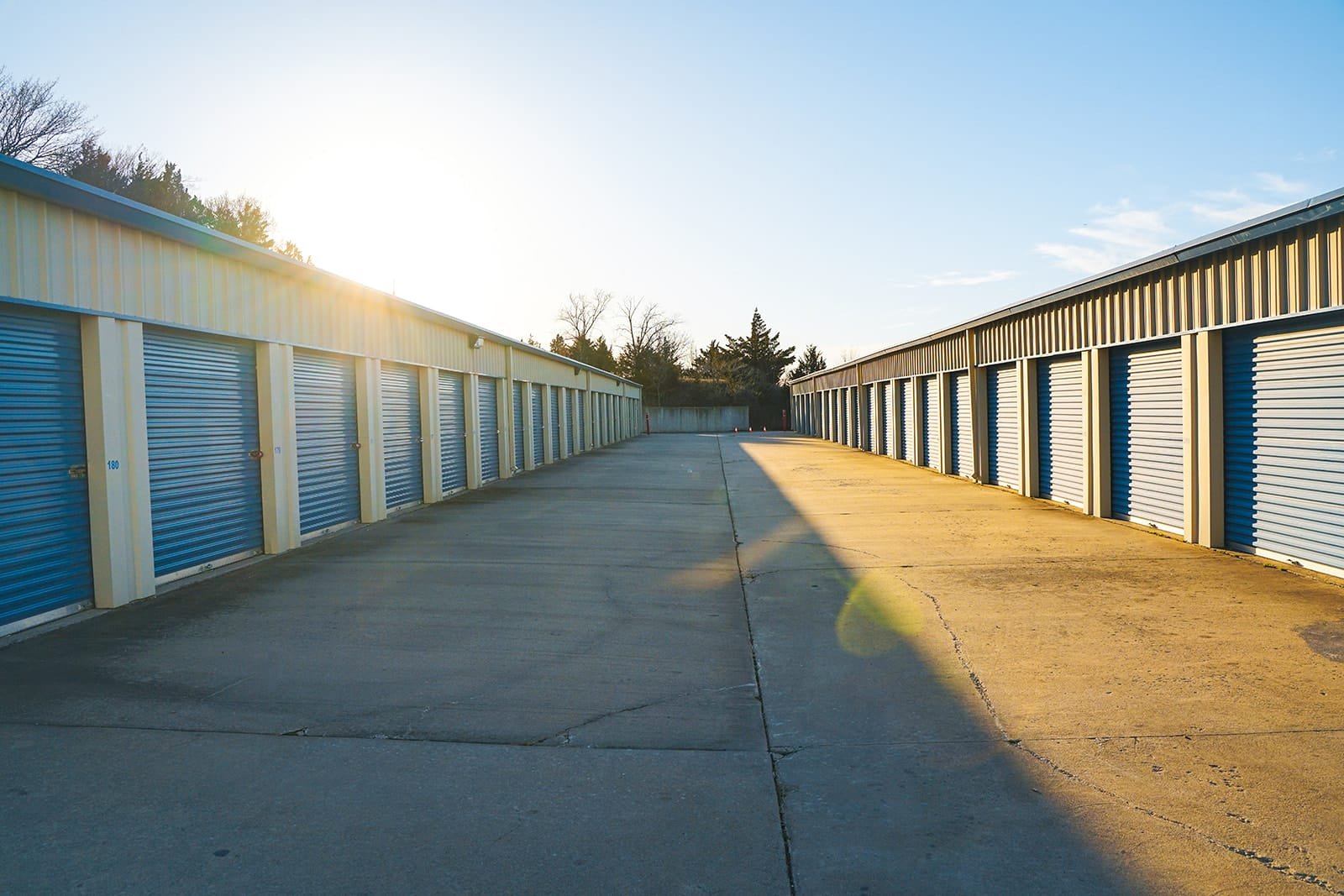
Whether you’re moving a vinyl record collection, original artwork, rare documents, or musical instruments, giving them proper care matters the moment they leave your home or office.
When temperature and humidity in storage go unchecked, sensitive materials can suffer slowly over time. The right facility helps preserve both sentimental and monetary value while extending the life of the collection itself.
Climate-controlled collection storage in Tulsa, OK, is a popular choice among collectors, since it offers a more consistent climate for fragile items all year long. Here’s a closer look at what that looks like in practice.
What Collections Need Climate-Controlled Storage in Tulsa
Materials react to temperature changes and moisture in very different ways. Damage can show up within weeks or take years to appear. Humidity, extreme temperatures, and rapid climate swings can all shorten the life of valuable items, which is exactly why climate control matters so much for anyone storing a collection in Tulsa. Here’s a look at the items that need it most.
Fine Art Collections
Paintings, canvas prints, sculptures, and framed artwork are all sensitive to environmental changes. Excess moisture promotes mold growth behind frames and on canvas surfaces, while heat can cause paint layers to crack.
The National Park Service notes that stable temperature and humidity levels remain the best way to preserve cultural materials. Art collectors often wrap paintings using acid-free material and padded covers, then store pieces upright to avoid unnecessary pressure on delicate frames.
Musical Instruments
Wooden instruments expand and contract with humidity changes throughout the year. Guitars can develop warped necks, violins can come apart at the glued joints, and pianos can go out of tune when conditions shift repeatedly. Brass instruments can corrode if moisture gets trapped inside the case.
Musicians who store their instruments properly gain real peace of mind. A climate-controlled environment puts far less stress on valuable instruments over time.
Vinyl Records, Tapes, and Film Reels
Music and media collections need consistent conditions to stay playable. Excessive heat can cause vinyl records to warp and magnetic tapes to lose signal strength. Film reels can also grow brittle if stored improperly.
Lower temperatures and controlled humidity support the long-term preservation of audiovisual materials. Media archive storage in Tulsa helps ensure valuable recordings stay playable for years to come.
Paper Archives and Historical Records
Birth certificates, family letters, legal documents, maps, photographs, and historical manuscripts are all particularly sensitive to moisture and temperature swings. Paper absorbs humidity easily, which can lead to mold growth, discoloration, and gradual deterioration.
Acid-free folders, archival storage boxes, and stable environmental conditions all support long-term preservation. Organized storage matters for many families, since it helps safeguard irreplaceable records while keeping them easy to access when needed.
Rare Collectibles and Memorabilia
Collectibles like sports memorabilia, comic books, trading cards, rare books, coins, vintage toys, and signed items can appreciate in value over time. Since that value ties directly to physical condition, proper storage becomes especially important.
Careful handling minimizes unnecessary wear before items even reach storage. Climate-controlled units add another layer of protection by reducing the environmental impact on collectible materials through Oklahoma’s changing seasons.
How to Store Art, Music, Media, and Archives
Each collection deserves a storage approach suited to its materials. The right packing, organization, and environmental control together minimize unnecessary deterioration during long-term storage. This kind of setup lets collectors preserve rare and valuable items without having to monitor them constantly at home. Here’s how to approach it.
Store Artwork Upright
Artwork and paintings shouldn’t sit stacked flat under heavy items. Glass can crack, frames can bend, and stretched canvas can suffer from pressure applied by other items. Use archival paper or clean moving blankets to wrap each piece before moving it.
Leave small gaps between frames to prevent friction, without leaving so much space that pieces can shift. Many collectors arrange pieces by size, so larger frames don’t end up leaning too heavily against smaller ones.
Protect Musical Instruments Appropriately
Musical instruments should always be cleaned before storage, since dust, fingerprints, and surface moisture can cause deterioration over time. String instruments should have their strings slightly loosened, while brass instruments need to be completely dry before going into protective cases.
Keep instruments off concrete floors when possible. Properly stored instruments face far less wear and tear, and they’ll continue looking and sounding great even after long-term storage.
Carefully Arrange Media Collections
Vinyl records belong on sturdy shelving or in reinforced storage boxes, kept in a vertical position. Avoid stacking records horizontally, since the added weight can warp discs over time. Label each box clearly to cut down on unnecessary handling.
The same organized approach applies to cassette tapes, DVDs, film reels, and digital backup drives. Many collectors also keep a digital inventory alongside their physical media, which makes it easy to find what they need without opening every box.
Use Archival Supplies to Preserve Documents
Historical documents, legal records, certificates, and photographs all call for specialized storage materials. Acid-free folders, archival boxes, polyester sleeves, and buffered paper significantly reduce deterioration in acidic materials.
Proper archival containers help extend the life of important documents while minimizing handling damage. Families storing records in collection storage units in Tulsa typically keep originals and working copies separate to avoid unnecessary handling.
Complete a Detailed Collection Inventory
Build an organized inventory before moving any collection into storage, including photographs, descriptions, estimated values, purchase dates, and serial numbers where applicable. A digital inventory through dedicated software or a basic spreadsheet both work well.
Good documentation supports faster recovery in the event of an unexpected loss and simplifies insurance claims, keeping every valuable item accounted for throughout long-term storage.
Environmental Parameters by Collection Type
Every collection has its own sensitivity to heat, humidity, light, and air quality. Stable environmental conditions significantly reduce the risk of fading, warping, corrosion, mold, and paper deterioration, protecting valuable items against Oklahoma’s unpredictable weather swings. Here’s what each type of collection generally needs.
Music & Media (Vinyl, Tapes, Reels)
Vinyl records, cassette tapes, film reels, and magnetic media all perform best in cool, dry conditions with steady humidity. Rapid temperature swings can bend records, weaken magnetic tape, or make older film brittle, while stable conditions significantly extend the life of audiovisual collections.
It also helps to keep records in vertical files, tapes in protective cases, and everything away from direct light. Many Tulsa collectors organize stored media by format, which cuts down on handling and makes future retrieval much easier.
Fine Art
Paintings, framed prints, sculptures, and mixed media pieces stay vulnerable to moisture and temperature swings. Too much moisture promotes mold growth, while too little can cause paint or canvas to crack over time.
Avoid storing artwork against exterior walls, where temperatures shift more often. For long-term storage, use protective wrapping, padded dividers, and upright positioning to minimize pressure on the piece. Museums maintain tightly controlled environments precisely because artwork lasts far longer in stable conditions than in an average home, and the same principle applies to private collections using proper art storage in Tulsa.
Archives & Paper Documents
Historical records, family photographs, maps, certificates, journals, and manuscripts all need protection from moisture, dust, and light. Paper absorbs ambient humidity easily, which can eventually cause mold, discoloration, and permanent damage.
Archival-quality folders and storage boxes significantly improve long-term preservation, and acid-free containers should always hold important paperwork. Many families opting for collection storage in Tulsa, OK, also keep digital copies while storing the originals in a climate-controlled facility.
Best Practices for Specialized Storage
Climate control alone isn’t enough for long-term preservation. The condition of valuable collections also depends on packing methods, storage layout, routine inspections, and facility maintenance. Collectors who get the best long-term results usually pair proper environmental control with careful organization.
Container Standards
Storage containers should match the materials going into them. Acid-free boxes suit paper collections well, while padded instrument cases protect musical instruments best. Securely covered plastic bins minimize dust exposure while still letting moisture escape.
Avoid damaged cardboard boxes, since they lose structural strength over time and offer far less protection. Choosing the right container is one of the simplest ways to protect instruments and other valuable collections over the long haul.
Airflow & Monitoring
Proper ventilation helps minimize moisture and maintain a stable environment inside storage units. Avoid stacking boxes against walls, since that restricts airflow and raises humidity nearby. Check collections regularly for signs of moisture, pests, or containers that have shifted.
Regular environmental monitoring remains one of the best preservation practices for sensitive collections. Routine inspections also help catch minor issues before they turn into major preservation problems.
Facility Redundancy
Reliable storage facilities stay prepared through preventive maintenance and backup systems. Fire protection, surveillance cameras, secure access, and dependable climate equipment all contribute to safe collection storage.
No facility eliminates every risk, but extra precautions minimize potential losses. A facility with consistently reliable operations gives collectors real confidence that their items stay protected through Oklahoma’s changing weather.
UV and Light Protection
Light exposure damages valuable collections slowly, often in ways that aren’t easy to notice at first. Over time, artwork, photographs, book covers, and printed labels can fade from sunlight or strong indoor lighting.
Keep framed items out of direct light and cover them when possible. Keep boxes closed when items aren’t on display, and consider UV-filtering sleeves and archival materials for extra protection on delicate pieces. This is one more reason climate-controlled art storage in Tulsa remains such a popular choice among serious collectors.
Things to Consider When Choosing a Facility for Music, Media, Art, and Archives
Every storage unit offers a different set of features, so it pays to look closely before moving day if you’re storing a specific kind of collection. Beyond unit size, some facilities genuinely support long-term preservation rather than just offering space. Here are a few key features worth considering.
| Feature | Why It Matters | What to Look For |
|---|---|---|
| Climate Control | Stable temperatures and humidity reduce deterioration for artwork, instruments, paper records, and media collections. | Continuous climate control instead of seasonal operation. |
| Indoor Units | Interior hallways reduce exposure during loading and unloading. | Fully enclosed buildings with limited outside exposure. |
| Security Systems | Valuable collections deserve controlled access and constant monitoring. | Electronic gate access, surveillance cameras, and individual unit locks. |
| Cleanliness | Dust and pests may damage delicate collections over time. | Well-maintained hallways and routine pest prevention. |
| Unit Sizes | Collections often grow over time. | Multiple unit sizes that allow future expansion. |
| Lighting | Good lighting reduces handling mistakes while organizing collections. | Bright indoor lighting throughout the facility. |
| Accessibility | Easy access simplifies periodic inspections and inventory updates. | Convenient operating hours and wide loading areas. |
| Packing Support | Quality packing supplies improve preservation before storage. | Boxes, archival supplies, protective wraps, and moving materials. |
| Customer Service | Knowledgeable staff can answer questions about storage options. | Professional guidance and clear rental policies. |
| Reputation | Positive customer experiences often reflect dependable facility management. | Strong customer reviews and an established local service history. |
Common Mistakes That Put Valuable Collections at Risk
No matter how good the storage facility, a collection can still suffer damage if basic preservation habits get skipped. Artwork, media, instruments, and archives often lose years of life to small errors made before or during storage. Here are a few pitfalls worth avoiding:
- Forgetting to update insurance coverage after adding valuable pieces to a growing collection
- Letting appraisals go stale, which makes it harder to prove the current value of rare items
- Storing collectibles without keeping purchase receipts, certificates of authenticity, or provenance documents
- Mixing personal collections with business archives, creating confusion during retrieval or audits
- Ignoring manufacturer recommendations for storing specialty instruments or limited-edition collectibles
- Failing to document restoration work completed on artwork, antiques, or historical pieces
- Keeping only a single copy of the collection inventory instead of a secure digital backup
- Delaying a check on stored collections after severe storms, extended power outages, or unexpected facility closures
- Storing inherited collections before identifying items with historical, cultural, or financial significance
- Letting multiple people reorganize stored collections without recording the changes
- Overlooking insurance policy exclusions for collectibles, artwork, musical instruments, or archived media
- Assuming every climate-controlled facility offers identical environmental standards without confirming temperature and humidity controls first
Preserve Your Collection With Click Storage
Every collection with real personal or financial value deserves proper protection. Stable environmental conditions, organized packing, and thoughtful storage practices help artwork, instruments, media, and important archives stay in excellent condition for years to come.
Choose Click Storage for clean, climate-controlled storage that protects your collections with dependable security, convenient access, and the space needed to preserve what matters most.