Pop-up selling can be profitable and exciting, but it’s also unpredictable. If you’re working the Four-State area, your success depends on how well you manage inventory between different events, markets, holiday weekends, and one-off retail setups. A pop-up shop storage plan in Joplin, MO, keeps your merchandise organized and in rotation.
When inventory gets spread across different locations, your business loses time, boxes get mixed together, fast-moving items get buried under seasonal stock, and the wrong products end up at the wrong event. Vendor inventory storage in Joplin lets you keep control of what you own, what you need to move next, and what should stay in storage until the following season.
Why Pop-Up Vendors Need a Storage Workflow
Pop-up shops are quite different from typical commercial or retail storage needs. Inventory doesn’t stay in one location all year, since the business shifts between different events and themes. One month might revolve around craft fairs and local markets, while the next focuses on holiday booths, festival sales, or temporary vendor spaces. That’s why inventory needs to stay flexible at all times, and why a seasonal workflow works so much better for managing merchandise.
That workflow creates a system for incoming products, active merchandise, display materials, and unsold stock. This matters quite a bit, since it prevents confusion once business picks up. Instead of sorting through random containers, you can move directly from storage to selling with the right system in place. This is especially helpful for Four-State event merchandise storage, particularly in small towns like Joplin, where local markets thrive.
Keep in mind that products need to travel across different towns, counties, and event types, and each stop may call for a different mix of stock. A storage plan built around seasonal rotation keeps everything organized. The result is a business that can respond to changing demand easily.
What Makes Seasonal Retail Storage Different
Seasonal retail storage that Joplin vendors rely on has to function differently from ordinary storage. It’s not just about holding extra boxes until the next event. It needs to support an entire sales cycle, which means the storage area should help with sorting, prepping, packing, rotating, and tracking merchandise. Seasonal inventory includes items that stay relevant only during certain times of year, like holiday décor or Halloween costumes. Mixing holiday goods, warm-weather products, school-season merchandise, festival pieces, and themed displays together makes it easy to lose track of what to sell and what to pack away.
A better approach separates inventory by season, event type, and product category. This lets a business move faster when an opportunity arrives, and makes it much easier to figure out what to reorder and what to discount. But the real question is: where should you actually store pop-up inventory in Joplin, and how do you find the right setup?
Where Should Joplin Pop-Up Vendors Store Inventory?
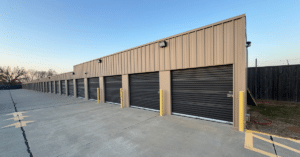
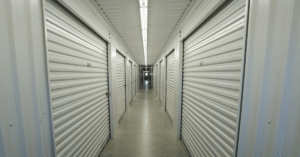
The best answer is to look for a place that’s easily accessible, one you can organize effortlessly and update as stock changes. Vendors usually look for a space that supports regular movement, not just long-term storage. You can find secure, climate-controlled self-storage solutions in Joplin, MO, for exactly this kind of pop-up inventory.
The ideal setup gives you enough room to separate active merchandise from reserve stock. Active merchandise should stay easily reachable, since it’ll probably go out with the next event, while reserve stock can sit farther back or higher up until it’s needed. This organization reduces confusion and helps you load faster as an event approaches. Everything stays visible, and counting inventory becomes far easier.
Building a Vendor Inventory System
Vendor inventory storage that Joplin businesses use should start with a simple inventory system. Even the best storage space isn’t useful if nobody knows what’s inside it. A basic record of product names, quantities, categories, and season type goes a long way toward keeping a business organized. A strong inventory system tracks product name (or SKU), quantity on hand, event category, packaging status, storage location, and reorder notes or restock priority.
This kind of system helps you understand what’s available before an event begins, and makes it much easier to plan ahead for future shows. Tracking inventory consistently helps you avoid overpacking one product while underpacking another, and keeps the system reliable over time, saving time and helping you make better decisions when preparing for pop-ups.
Creating Zones Inside the Storage Space
To properly manage pop-up shop storage in Joplin, MO, start by dividing the available space into different zones. Grouping inventory by function makes it much easier to use, and maintaining a properly divided storage area is much simpler too. A space packed haphazardly, without any real structure, becomes far harder to manage. Here are a few ideas for a practical zoning setup:
- Active stock zone for items likely to go to the next event
- Reserve stock zone for slower-moving merchandise
- Seasonal storage zone for items tied to a specific time of year
- Display materials zone for tables, signage, racks, and décor
- Packing supplies zone for bags, labels, tape, and protective wrap
- Returns or markdown zone for unsold or damaged goods
How to Rotate Seasonal Vendor Stock
Don’t wait until event week itself to sort merchandise. Build a rotation schedule that matches your business calendar instead. If you’ve rented business storage in Tulsa or Joplin for your pop-up ventures, move the most relevant items into active space before demand for them peaks. A simple seasonal rotation process for vendor stock looks like this:
- Review the current season’s inventory
- Pull the products most likely to sell next
- Move them into the active stock zone
- Store out-of-season items in reserve
- Recheck display pieces, packaging, and signage
- Update the inventory list after each rotation
This approach keeps a business consistently responsive. It also helps reduce clutter, since only the right merchandise sits at the front of the storage space at the right time. If you sell at both warm-weather and cold-weather events, stock rotation matters even more. It’s equally important to rotate stock by performance, not just by season.
How to Prepare Before Each Event
The true value of a storage space becomes clear as event day draws closer. A good workflow lets you prepare without rushing, which means the available space should be arranged so packing for each show stays simple and repeatable. Before any event, make sure you’ve covered these steps:
- Check the event type and expected crowd
- Pull the relevant stock for that audience
- Pack display materials and signage
- Confirm pricing labels and promotional materials
- Restock bags, tags, and protective supplies
- Count inventory so nothing gets left behind
That’s how you reduce mistakes and prepare for an event without stress. When a storage space is organized properly, you can go from planning to packing without hunting for missing items, which helps vendors juggle multiple pop-up events at once.
Display Items and Marketing Materials
A pop-up store isn’t just about inventory. The visual setup matters just as much, from tables and racks to signage, lighting, price cards, and branded displays. Everything has its own storage needs, and piling these items on top of merchandise leads to messy, damaged results.
Store display materials in their own zone to keep them clean and accessible for the next event. That’s how promotional materials stay in good condition. A bent sign or a scratched display stand makes a booth look less professional fast. If you plan to reuse the same display pieces, pack them somewhere safe using bubble wrap, moving blankets, and labeled cases, so marketing materials stay ready whenever the next event comes up.
Managing Unsold Inventory
Every vendor deals with unsold merchandise once an event wraps up. That doesn’t mean the product is a loss. It can simply move into a different part of the workflow. Some items get stored for the next season, others get discounted, and some get bundled into future promotions. A clear storage system separates unsold inventory from active inventory right away, so it doesn’t accidentally get mixed into the next loadout.
You can decide whether to keep a product, mark it down, or move it into a future event category. This is another reason seasonal retail storage in Joplin needs to stay organized all year. When storage functions as part of the sales process, unsold inventory becomes far easier to manage and less likely to get forgotten. Just don’t forget to pack everything carefully.
Packing Tips for Mobile Vendors
Mobile vendors need to load and unload items as quickly as possible, which means staying mindful of packing style, grouping products in a way that makes them easy to transport and relocate. Fragile goods call for quality padding, and flat items should be bagged or boxed so they don’t scatter during transit. A few tips worth following:
- Use matching bins where possible
- Label each container clearly
- Keep similar products together
- Protect fragile pieces with wrap or dividers
- Store packing tape and labels in one location
- Keep a loadout checklist for every event
How to Keep Inventory Visible
Storage only works when you can see and understand the available stock. If merchandise disappears into a pile of boxes, the system stops being useful, which is exactly why visibility matters so much. Clear bins help, but shelf labels, color coding, and simple section markers make a real difference too. Aim to identify every zone at a glance, grouping products so you can see what’s available without digging through every container hoping to find the right item.
This matters a great deal for pop-up vendors juggling different product lines. If one booth carries clothes, handmade items, accessories, and seasonal décor all at once, the space fills up fast. Visual organization keeps the whole workflow manageable and helps you prepare for each event with less effort. As a Four-State vendor, it’s worth looking into local storage options.
Why Local Storage Helps Four-State Vendors
Four-State vendors tend to move between different markets, events, and even customer groups. That means they need a storage plan local enough to stay convenient, but flexible enough to support a larger regional business. A Joplin-based storage setup serves that role well. Local storage keeps merchandise close at hand for local events, regional festivals, and seasonal pop-ups throughout the Four-State area.
There’s no need to scatter inventory across an entire territory when everything can stay in one central location. For Four-State event merchandise storage, that central point matters, helping a business feel more organized, professional, and better prepared overall. You can pack, reload, and rotate stock without wasting extra time managing clutter.
Tips for Keeping the Workflow Simple
The most effective storage workflows don’t have to be complicated. The simpler they are, the more repeatable they become, which is exactly the point: build a system that’s easy to follow every week, not one that only works when you happen to have extra time. A simple workflow might look like this:
- Receive new stock
- Check and count items
- Assign products to zones
- Update inventory records
- Rotate current-season products forward
- Store out-of-season items in reserve
- Review the setup before each event
What Makes a Storage Space Useful Long Term
A storage space becomes truly valuable when it supports the business all year round, not just during the busy holiday season. It should stay easy to maintain, easy to update, and easy to use under pressure. Organizing a space well from the beginning saves real time later, which is often when it makes sense to rely on a micro-warehouse to keep everything safe.
The long-term usefulness of a rented business storage space comes down to clear zones, consistent labeling, seasonal rotation, inventory tracking, packing discipline, and a repeatable event prep routine. Ready to find dependable pop-up storage solutions in Joplin, MO?
Find Reliable Pop-Up Shop Inventory Storage in Joplin
The best seasonal retail storage that Joplin vendors use is one that makes rotation simple and keeps stock visible. That’s what makes Four-State event merchandise storage more efficient. For anyone wondering where Joplin pop-up vendors should store inventory, the answer is a system that keeps active products, reserve stock, and event materials separated and easy to manage.