Cameras, lenses, flashes, batteries, and accessories all need proper care when they’re not in use, and Oklahoma’s weather adds extra challenges, since heat, moisture, and sudden temperature swings can damage sensitive gear over time.
Proper storage reduces those risks and keeps equipment ready for the next project. Photography gear storage in Catoosa, OK, gives local photographers a stable environment that helps protect valuable equipment throughout the year.
Climate-controlled units keep professional camera gear and treasured personal collections in excellent condition. Here’s how to prepare and store photography equipment safely for long-term protection. But first, here’s why a proper storage facility beats a garage for this kind of gear.
Why Photography Gear Storage in Catoosa Matters
Every camera bag contains equipment that performs best in a stable environment. Proper storage protects delicate components, extends the life of expensive gear, and helps reduce repair costs. Here are several reasons camera equipment storage in Catoosa is worth considering.
Protects Sensitive Camera Electronics
Modern cameras contain advanced electronics that can be damaged by excessive heat and humidity. Image sensors, circuit boards, electronic viewfinders, and internal wiring all perform best when environmental conditions stay stable, and long stretches of temperature exposure can shorten the life of these sensitive components.
The National Park Service notes that stable temperature and humidity levels significantly improve the preservation of delicate collections and electronic equipment. Storing gear inside protective cases within a climate-controlled unit reduces environmental stress and limits internal condensation caused by sudden temperature changes. Stable conditions also help preserve long-term reliability and image quality.
Preserves Lens Performance
Camera lenses contain precision glass, specialized coatings, and finely engineered focusing systems. Dust, moisture, and fungal growth can slowly reduce image quality when lenses sit in damp conditions for extended periods.
Controlling humidity matters, since excess moisture encourages mold growth on optical materials. Photographers using photography gear storage in Catoosa, OK, should place lenses inside protective cases with fresh silica gel packs before storing them. These simple precautions help preserve sharpness, autofocus accuracy, and protective coatings while reducing future cleaning and repair costs, keeping expensive equipment ready to use whenever the next project comes up.
Extends Battery Lifespan
Rechargeable camera batteries gradually lose capacity when exposed to excessive heat, or when stored fully charged or completely drained. Proper charging habits and correct storage conditions both help extend battery life.
According to the U.S. Department of Energy, lithium-ion batteries perform best when stored at moderate temperatures rather than extreme heat or freezing conditions. Proper battery storage for photographers includes removing batteries from cameras during long storage periods, maintaining a partial charge, and keeping battery terminals away from metal objects. This helps ensure batteries perform reliably for their expected lifespan.
Helps Prevent Dust and Physical Damage
Dust easily reaches camera sensors, lens mounts, and moving parts, and physical impacts create even greater risk given how many delicate mechanical and electronic components photography equipment contains.
Padded cases with separate compartments reduce movement and keep accessories from rubbing against one another. Proper shelving also prevents heavy items from crushing lenses or camera bodies. Camera equipment storage in Catoosa offers added protection, keeping equipment inside a clean indoor environment instead of a garage, shed, or crowded closet where dust builds up year-round. This also helps keep valuable gear safe from theft or accidental damage.
Should Camera Batteries Be Removed Before Storage?
Camera batteries deserve the same level of care as cameras and lenses. Long periods without use can shorten battery life if they’re stored incorrectly. Following a few simple practices helps keep batteries reliable and ready for the next photography session. A few best practices:
- Remove batteries from cameras: Leaving batteries inside cameras for long periods may increase the risk of power leakage or contact corrosion.
- Maintain a partial charge: Lithium-ion batteries should be stored at approximately 40–60% charge instead of completely full or empty.
- Use protective battery cases: Plastic battery cases prevent battery terminals from touching metal objects that could cause a short circuit.
- Choose a stable environment: Moderate indoor temperatures help reduce long-term capacity loss caused by excessive heat.
- Inspect batteries regularly: Check every few months for swelling, cracks, corrosion, or other signs that replacement is necessary.
These simple habits help preserve batteries during extended storage. Proper battery storage for photographers reduces replacement costs while keeping batteries organized, protected, and ready whenever the next project begins.
How to Store Cameras and Lenses in Oklahoma Humidity
Oklahoma weather changes quickly throughout the year. Hot, humid summers and cold winters can expose photography equipment to moisture, condensation, and temperature swings. A thoughtful storage routine keeps cameras, lenses, and accessories in dependable condition for years. Here’s how proper storage protects valuable equipment from Oklahoma’s seasonal environmental swings.
Protective Cases and Organization
Choosing the right storage system reduces accidental damage while keeping equipment organized and easy to access. Good organization also limits unnecessary handling, lowering the chance of drops or scratches, and makes it easy to find items when the next project calls for them. Before placing camera equipment into storage in Catoosa, consider these protective storage options:
- Hard Watertight Cases: Waterproof hard cases shield cameras from dust, moisture, and accidental impacts during transportation and long-term storage.
- Modular Drawer Chests: Drawer systems keep camera bodies, lenses, flashes, and accessories separated so they stay organized and protected from unnecessary contact.
- Custom Foam Inserts: Foam inserts cut to match each item prevent movement inside the case, reducing the chance of scratches or impact damage.
Following these steps helps ensure equipment stays safe throughout its time in storage.
Battery Maintenance and Safety
Camera batteries deserve the same attention as cameras and lenses. Proper battery care improves reliability while extending service life, and following safe storage practices also reduces unnecessary replacement costs. Good battery storage for photographers begins with a few simple habits:
- Storage Charge Level: Store rechargeable batteries at approximately 40% to 60% charge to reduce long-term capacity loss during storage.
- Battery Separation: Remove batteries from cameras and keep them in protective cases to prevent unwanted power drain and contact damage.
- Label Battery Containers: Mark battery cases with purchase dates or rotation schedules so older batteries receive inspection or replacement first.
Humidity and Climate Control
Humidity remains one of the biggest concerns for photographers storing valuable equipment in Oklahoma. Stable environmental conditions protect optical coatings, electronics, and mechanical components from gradual deterioration. A climate-controlled setup helps reduce the impact of seasonal weather throughout the year. It also helps to focus on a few other things to keep photography gear fully protected in storage:
- Target Relative Humidity: Maintain relative humidity between 40% and 50% whenever possible to discourage fungus and protect sensitive materials.
- Electronic Dry Cabinets: Dry cabinets actively regulate humidity, providing dependable long-term protection for professional cameras and lenses.
- Budget Alternatives: Airtight containers combined with fresh silica gel packets offer an affordable moisture-control solution for smaller collections.
Preparing Photography Gear Before Long-Term Storage
Preparing equipment before placing it into storage prevents many problems from appearing months later. A few simple steps keep every item cleaner, easier to locate, and ready for the next assignment. Spending a little extra time before moving equipment into photography gear storage in Catoosa, OK, helps protect valuable gear throughout the storage period.
Clean All Equipment Before Packing
Clean every camera body, lens, tripod, and accessory before placing it into storage. Fingerprints leave oils behind, while dust gradually settles on equipment surfaces. Remove loose particles with a blower before wiping equipment down with a microfiber cloth.
Lenses should only be cleaned with products made specifically for optical glass, never household cleaners. Allow every item to dry completely before closing the case. Proper cleaning reduces future maintenance and keeps equipment ready for immediate use.
Back Up and Organize Memory Cards
Transfer every image to at least two separate storage locations before packing equipment away. Many photographers keep one copy on an external hard drive and another in secure cloud storage. After backing up files, organize memory cards by capacity, camera model, or project, and store them inside protective card cases to prevent dust, bending, or accidental damage.
Organizing digital files before placing equipment into camera equipment storage in Catoosa saves valuable time later and helps keep important data safe.
Separate Accessories by Category
Store similar accessories together to simplify future access. Place filters inside protective sleeves, chargers inside labeled pouches, and cables in reusable ties. Store flashes, microphones, cleaning tools, remote triggers, and mounting accessories in separate containers.
Clear labels eliminate unnecessary searching while reducing the amount of handling required. Organized storage also lowers the chance of scratches or misplaced equipment during long storage periods, and it means only the relevant items get unpacked when needed.
Make a Complete Equipment Inventory
A detailed inventory supports insurance claims, equipment tracking, and routine inspections. Record every camera body, lens, flash, drone, tripod, and accessory along with its serial number and purchase date whenever available. Photograph each item before storage to document its condition.
Keep receipts, warranties, and manuals in both printed and digital formats. Organized records make ownership easier to verify while confirming that every item comes back safely after long-term storage.
Common Photography Storage Mistakes to Avoid
Even experienced photographers sometimes overlook simple storage habits that can shorten the life of expensive equipment. Most storage damage develops gradually instead of appearing overnight. Avoiding a handful of common mistakes keeps equipment reliable for future projects, and regular inspections, careful packing, and proper battery storage prevent many of these problems before they turn into costly repairs. A few mistakes worth avoiding:
Packing Equipment While It Is Still Damp
Never place photography equipment into storage immediately after shooting in rain, heavy humidity, or early morning dew. Moisture trapped inside a camera bag creates ideal conditions for mold and fungus. Allow camera bodies, lenses, straps, filters, and accessories to dry completely before packing them away.
Tripods and monopods deserve extra attention too, since water can linger inside their locking mechanisms. A little patience before storage prevents moisture-related damage that might otherwise stay hidden for months.
Placing Heavy Items on Camera Cases
Camera cases protect equipment, but they aren’t designed to support heavy loads for extended periods. Excessive weight compresses protective foam and puts pressure on delicate lenses, camera bodies, and electronic components.
Store photography cases on sturdy shelving whenever possible instead of underneath heavy containers. Place bulky boxes on lower shelves while keeping fragile equipment above them. Proper stacking protects expensive gear from unnecessary physical stress during long-term storage.
Skipping Regular Equipment Inspections
Photography equipment should never sit untouched for years. Open storage cases every few months to inspect cameras, lenses, batteries, and accessories, checking for fungus, corrosion, trapped moisture, battery swelling, or damaged foam inserts.
Replace saturated silica gel packs whenever necessary and confirm inventory records stay current. Regular inspections keep photography gear storage in Catoosa, OK, organized while catching small concerns before they become expensive repairs.
Mixing Loose Accessories Together
Small accessories are often easier to misplace than larger camera bodies or lenses. Tossing filters, batteries, memory cards, cables, adapters, and mounting screws into one container increases the chance of scratches, tangled cables, or missing parts.
Use divided organizers or clearly labeled pouches to separate different accessories. Store charger cables, filter kits, lens caps, and cleaning supplies individually. Organized accessories save valuable preparation time before every photography session.
Ignoring Manufacturer Maintenance Guidelines
Every camera manufacturer publishes maintenance recommendations for batteries, lenses, and camera bodies. Ignoring those instructions can shorten equipment life, void warranty coverage, or lead to damage that results in costly repairs or replacements.
It’s worth following recommended battery charging practices, cleaning methods, and storage procedures whenever possible. Manufacturer guidance complements the protection that climate-controlled camera storage already provides and helps equipment stay dependable for years.
Keep Your Photography Equipment Ready With Click Storage
Proper storage protects far more than camera bodies and lenses. Stable temperatures, controlled humidity, organized packing, and routine inspections preserve performance while extending the life of valuable photography equipment.
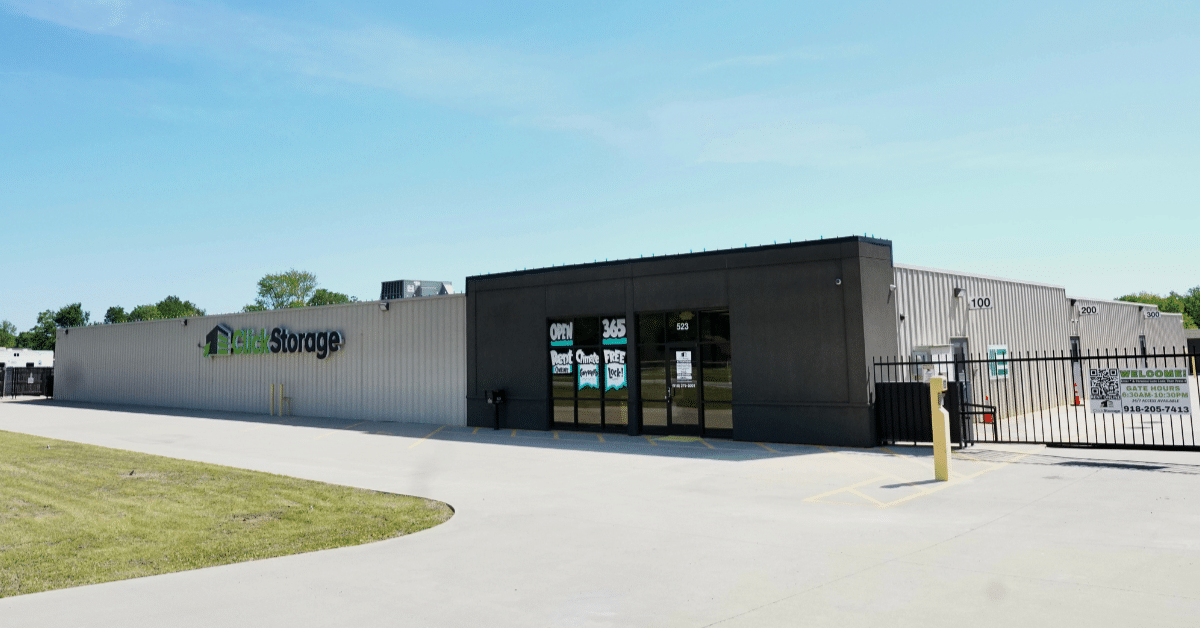
Store your cameras, lenses, lighting equipment, drones, and accessories with Click Storage for secure, climate-controlled units that help safeguard your creative investment throughout every Oklahoma season.