Each room can hold family memories, valuable items, and objects that call for careful decisions. A hurried process can lead to confusion and disagreements that are hard to undo later.
A clear staging plan helps avoid exactly that. It helps families organize possessions before anything leaves the property, while giving them time to identify items worth selling and set aside sentimental items for storage.
Estate staging in Broken Arrow is a great option for many families before packing begins, since it keeps decisions organized, fair, and easier for everyone involved. Here’s what that process actually looks like.
What Is Estate-Sale Staging and Why Does It Matter?
Estate-sale staging is an organized process that happens before the sale, donation, storage, or distribution of belongings. Families divide property into distinct categories and document valuable items rather than moving everything at once.
This preparation makes estate administration smoother and cuts down on confusion along the way. Many families start looking for estate sale storage in Broken Arrow, OK, before they even schedule the sale itself. Here’s what to do before moving items into storage:
- Temporarily mark valuable property with identification numbers
- Take pictures of valuable items before touching them
- Sort every room before moving items
- Build an inventory for insurance and estate planning purposes
- Maintain a master list that corresponds to each storage box
- Label each container before packing
- Keep personal items out of the way until family decisions are made
- Establish separate selling, holding, donating, and disputed property areas
- Document important antiques, jewelry, art, and collectibles
According to the Federal Emergency Management Agency (FEMA), a detailed household inventory helps document insurance coverage after an unexpected loss. The National Archives and Records Administration also recommends organized records for better long-term retrieval and preservation. Estate staging works on the same principle, just at a larger scale, and clear documentation helps safeguard valuable property, ease family conversations, and avoid needless confusion.
How to Separate Estate Sale Items Before Storage
Separating categories before packing keeps each stage of the estate process organized. Avoid filling boxes randomly, and instead put each item into a specific, purposeful box. A well-thought-out sell, keep, donate, and storage plan also helps prevent the loss of valuable items during the move. Here’s how to separate items properly.
Look for Items That Are Valuable First
Start with the items that need the most careful handling. Jewelry, antiques, firearms, artwork, collectibles, rare books, and family heirlooms should all be documented in detail before any packing begins.
Photograph these items from multiple angles and note identifying information, such as serial numbers or manufacturer marks. Careful documentation preserves historical objects and keeps records accurate. An early inventory helps avoid confusion and protects valuable items throughout the estate process, even if a professional appraisal happens later on.
Separate Sentimental Belongings
Financial value is only part of the picture. Some items carry emotional significance that no price tag can replace. This often includes:
- Family photos
- Handwritten letters
- Military medals
- Children’s artwork
- Wedding albums
- Personal keepsakes
Put these items into labeled boxes before the estate sale begins. Family members should have a chance to look through sentimental items before final decisions are made. When planning for estate staging in Broken Arrow, families should set aside a room for keepsakes until everyone agrees on who takes possession after the sale.
Create Categories for the Estate Sale
Grouping like items together makes estate sales run much more smoothly. Separate furniture, home décor, kitchen items, books, collectibles, tools, sports equipment, electronics, and seasonal items into their own groups. Organized displays make browsing easier for buyers, who tend to appreciate that. Organized categories also help estate sale companies prepare pricing and marketing materials more efficiently.
Set up these sections before any items go into storage, which saves real time later in the estate settlement process.
Set Aside Donations in a Separate Container
Many household items in an estate carry little resale value but are still useful to charitable organizations. Clothing, kitchen items, furniture, books, linens, and unopened household products can all be donated.
Keep donation boxes separate from sale inventory to prevent pricing or transportation errors. A well-thought-out sell, keep, donate, and storage plan ensures every item ends up where it belongs.
Label Storage Items Carefully
Some items need temporary storage until final decisions are made. Each storage container should carry an inventory number, a general description, room location, and ownership notes, backed up with both digital and written records.
Families keeping records for estate sale storage in Broken Arrow, OK, should also keep print copies in waterproof folders, alongside secure digital backups for added protection.
Where to Keep Disputed Inherited Property Temporarily
Estate settlements sometimes involve real disagreements. In those cases, it’s best to put contested items in a safe, temporary place, keeping them in good condition while family discussions play out rather than leaving them in the family home. Disputed property storage also helps avoid accidental damage, unauthorized removal, and unnecessary family conflict. Here’s how to handle that kind of storage.
Choose a Neutral Storage Facility
A neutral storage facility helps separate family conflict from valuable property. Avoid storing contested items in the home of any single beneficiary. It’s better to use a secure storage facility everyone agrees on, one with controlled entry, surveillance cameras, and clear rental records.
This keeps the property safe during ongoing discussions without adding tension. Safe storage methods also minimize handling and improve long-term security, and a neutral site helps ensure no single party bears responsibility for damage before ownership is determined.
Maintain Complete Documentation
Every disputed item should be well documented before it goes into storage. Take thorough notes, capture photos, record measurements, and note any identifying marks. Use the same inventory numbers across estate records and storage box labels.
Keep multiple digital copies of all documentation stored in secure locations. During estate staging in Broken Arrow, families often find that thorough documentation prevents confusion, since everyone works from the same records instead of relying on memory. If questions come up later, accurate documentation also helps attorneys, executors, and insurance representatives do their jobs.
Restrict Access Until Resolution
Access to disputed property should stay restricted until all parties reach consensus or legal direction is issued. Only the executor or another designated person should have access to the storage unit. Avoid removing or rearranging disputed items, since that alone can spark unnecessary disagreements.
Written access logs add extra accountability throughout the storage period. These are simple measures, but they go a long way toward maintaining trust and protecting valuable property from accidental loss or damage.
Take Care of Valuable and Fragile Items
While ownership of artwork, antiques, collectibles, musical instruments, electronics, or family heirlooms remains unsettled, these items deserve extra protection. Use quality packing materials to wrap fragile pieces individually, then place them in labeled containers.
Avoid placing heavy boxes on top of delicate items. Sensitive pieces also benefit from climate-controlled storage, which protects against humidity and temperature swings. Families dealing with disputed items typically set fragile pieces aside in a separate, easily accessible area.
Review the Inventory Regularly
Estate settlements can drag on for months or even years. During that time, check the inventory regularly to confirm all disputed items are still accounted for, comparing photos, inventory numbers, and storage records at each review. It also helps to log written notes whenever authorized access occurs.
Regular checks catch problems early and confirm everything stays safe. These records also prove useful during the final transfer once ownership questions are settled.
Sorting and Staging Categories
Staging categories minimize confusion before items arrive at storage, donation centers, estate sale firms, or family members. Assigning a clear destination to each item keeps the project on track and reduces unnecessary re-handling. Families following a sell, keep, storage, or donation plan typically sort before packing, since organized categories support smoother estate administration. Here’s how to classify items into each category.
Items to Keep
Personal items with long-term sentimental value usually belong in the “keep” category. Keep these separate from estate sale items so they don’t get sold or given away by mistake. Before packing, write detailed descriptions and take photographs.
Label containers clearly so family members can find them easily after the estate process wraps up. Important documents belong in waterproof folders rather than standard moving boxes, and well-organized storage keeps valuable possessions genuinely safe.
Items to Sell
Furniture, collectibles, antiques, artwork, tools, appliances, and household goods with real market value are frequently included in an estate sale. Before pricing anything, group similar items together, photograph the important pieces, and note identifying information for the inventory.
The Internal Revenue Service (IRS) notes that proper documentation of asset sales can support both estate records and tax reporting. Families getting ready to sell estate items in Broken Arrow, OK, usually divide sale items before anything goes into storage, which speeds things up once the sale itself starts.
Items to Donate
Plenty of household items still have real use even without much resale value. Clothing, books, dishes, linens, toys, small furniture, and kitchen supplies can all support charitable organizations through donation. Keep donated items separate from estate sale items to avoid confusion during the move.
Label all containers before loading them for transport. Clean, usable household items are often welcomed by local charities, and organizing donation items early also helps keep the valuable sale inventory organized throughout the staging process.
Items That Are Disputed
Some items need more time before ownership becomes clear. Before moving anything disputed, place it in clearly labeled containers and keep it somewhere inaccessible until agreements are reached.
Families using disputed estate property storage often keep their own separate inventory list, so unresolved items don’t accidentally end up in the sale, donation, or personal keepsake categories. This extra layer of organization protects relationships and makes estate planning easier down the road.
Common Estate-Sale Staging Mistakes to Avoid
Even a well-planned estate sale can run into a few common pitfalls. Spending a little more time before packing helps safeguard valuable items and reduces stress across the board. A consistent staging process from start to finish is one of the best ways families avoid delays while estate staging in Broken Arrow. Here are a few mistakes worth watching for.
Packing Before Creating an Inventory
One common mistake is boxing items before photographing them. Once a box is sealed, it becomes difficult to remember exactly what’s inside. That’s why photos and a written list of valuable items should happen before any packing begins.
Mixing Sale and Personal Items
Never mix sale items with sentimental or legally protected items. Sort these categories out right away and use clearly marked storage spaces. This simple practice prevents unwanted sales and keeps irreplaceable family property safe. A structured sell, keep, and donate plan also helps every family member know exactly where to find each category during staging.
Forgetting Important Documents
Legal documents, insurance policies, wills, deeds, tax records, military records, and financial documents should stay separate from household items. Keep them in secure, waterproof containers rather than moving boxes. Organized recordkeeping supports long-term preservation and retrieval, and losing key documents can delay estate administration and complicate the entire process.
Underestimating Storage Space
Before choosing a storage unit, measure large furniture and estimate how many boxes you’ll need. Leave walking space between containers so important items stay accessible during storage. Good planning here also cuts down on the number of trips between the estate and the storage facility.
Ignoring Clear Labels
Plain labels like “miscellaneous” or “household items” create confusion later. Instead, identify every container with inventory numbers, room names, and brief descriptions. Matching each box to the master inventory saves real time once belongings come back out of storage. Organized labeling remains one of the simplest ways to keep an estate project moving smoothly from start to finish.
Protect Your Family’s Legacy With Click Storage
Careful estate-sale staging protects valuable belongings, reduces family stress, and keeps every decision organized. Clear inventories, thoughtful sorting, and secure storage create a smoother process while preserving important memories and property throughout estate settlement.
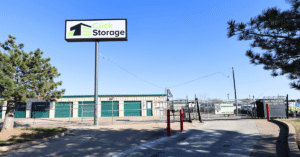
Choose Click Storage for secure, convenient storage solutions that protect estate belongings during every stage of the process, from temporary storage for disputed property to organized space for sale inventory and family keepsakes.