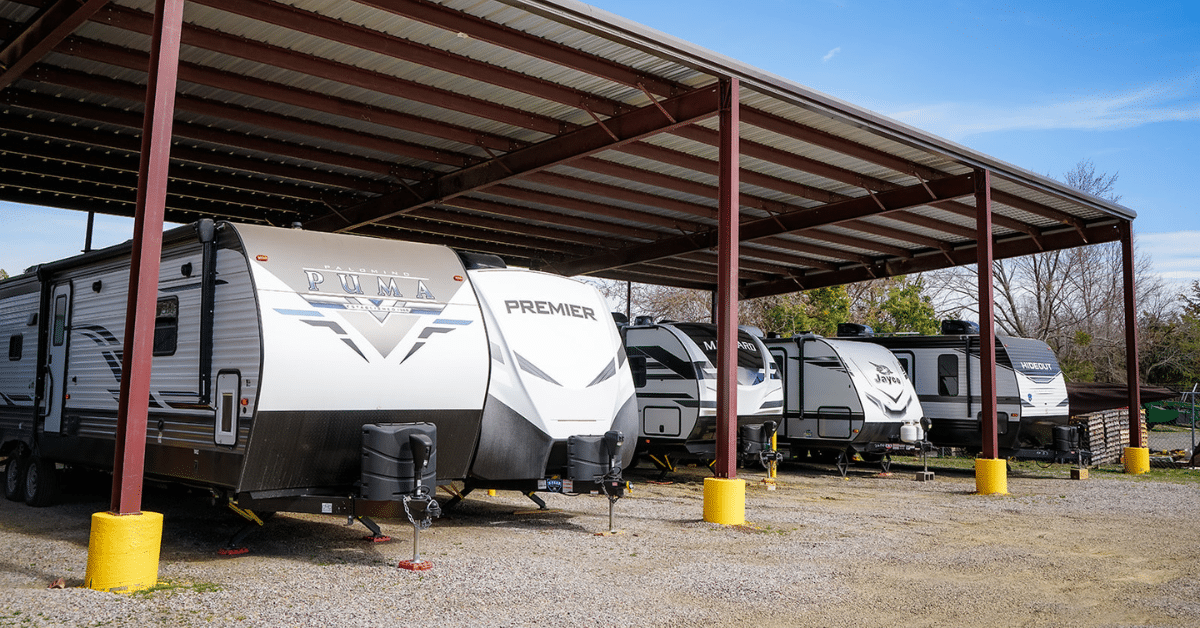
A smooth departure comes down to organization and a consistent routine that keeps important tasks from slipping through the cracks.
After weeks or months of storage, even the most experienced owners can overlook a small problem. A dedicated hour before departure can save time, avoid roadside breakdowns, and reduce stress. That’s only possible with a highway-ready RV checklist close at hand.
A well-organized departure checklist for Class A RV storage in Broken Arrow keeps every trip on track, from the moment the storage door opens until the coach hits the highway. Little things can make a big difference for a safer, more enjoyable trip.
The Importance of Preparing Your RV for the Road
A proper checkup routine before leaving storage can prevent a lot of problems down the road. A structured inspection confirms mechanical systems, safety equipment, and travel supplies are ready before the first mile. The steps in the RV pre-trip storage workflow in Broken Arrow below will save time and eliminate surprises on the trip.
Identifies Small Issues Before They Become Costly
Minor issues may go undetected when an RV sits unused. A loose seal, weak battery, fluid leak, or worn hose might seem minor, but any of them can turn into an expensive repair on the road.
The National Highway Traffic Safety Administration (NHTSA) reminds drivers to perform regular maintenance on their vehicles to prevent mechanical issues before hitting the road. A few minutes with the coach is often enough to address many concerns before they get in the way of vacation plans. Early attention is typically far less expensive than emergency roadside repairs and helps keep travel schedules on track.
Improves Road Safety
Safety starts well before the RV ever shifts into drive. Before each trip, check mirrors, lights, tires, brakes, and emergency equipment. Skipping these checks can lead to unnecessary accidents on congested highways.
Thorough pre-trip inspections are a standard practice recommended across the vehicle safety industry, including guidance from the Federal Motor Carrier Safety Administration (FMCSA) for larger vehicles on the road. Having a standard checklist for the road builds real confidence before departure and helps every passenger start the trip feeling at ease.
Safeguards High-Cost RV Systems
Today’s Class A motorhomes have complex electrical, plumbing, heating, cooling, and hydraulic systems. Left unmonitored before travel, seals, batteries, hoses, and moving parts can all be affected by long storage periods. This helps ensure the money spent on RV storage doesn’t go to waste.
Simple inspections can catch low fluid levels, loose electrical connections, and worn parts before they turn into bigger failures. Preventive maintenance keeps equipment in good working order, which cuts down on repair shop visits during vacation.
Saves Time on Departure Morning
Searching for lost supplies at the storage facility eats up valuable time on departure morning. A repeatable RV pre-trip storage workflow in Broken Arrow keeps tools, travel documents, hoses, leveling blocks, and safety equipment in the same place every time.
Experienced RV owners often follow the same preparation steps before every trip, since repetition minimizes the chances of forgetting something. Organized storage also makes loading and unloading quicker, so families don’t have to worry on departure morning.
Helps Develop Confidence for Longer Trips
Careful planning matters whether it’s a weekend outing or a cross-country trip. The more confidence you have in every major system after inspecting it, the better prepared you’ll feel hitting the road.
The National Park Foundation urges visitors to make careful preparations before visiting a recreation area far from repair facilities. A reliable departure procedure keeps the focus on enjoying the journey, rather than worrying about equipment that might have been forgotten.
What Should Be Checked Before Taking an RV Out of Storage
The best way to build a complete departure routine is running through inspections in the same order every time. Preparing outside first and then moving inside helps prevent lost items and keeps everything organized. Here’s the checklist to follow:
- Key Outside & Body Maintenance Checks
- Tire Pressure and Wheel Safety
- Inspecting Core Onboard Utilities & Systems
- Safety Guidelines for Towing & Travel Trailers
- The Ultimate Pre-Trip Walkaround Checklist
Here’s a closer look at the most important systems to check before leaving 14×50 enclosed RV storage in Broken Arrow for the next journey.
Key Outside & Body Maintenance Checks
The exterior protects every critical system inside the coach. A thorough examination before departure helps determine whether any damage comes from weather, storage, insects, or normal aging. Here’s what to look for:
- Roof Condition: Check for cracked sealant, damaged vents, loose covers, or debris that could let water in during heavy rain.
- Exterior Compartments: Ensure all storage doors are closed and locked, with no water leaks or weather seal damage.
- Windows and Entry Door: Check glass, seals, hinges, and latches to make sure everything opens, closes, and seals properly before leaving.
- Awning Condition: Extend the awning briefly to check the fabric, support arms, mounting brackets, and locking mechanisms before fully retracting it.
- Fluid Leaks: Before starting the engine, check underneath the motorhome for fresh engine oil, coolant, transmission fluid, or hydraulic leaks.
These inspections come first and provide a solid foundation for the rest of the departure routine. When owners stick to a consistent Class A RV storage departure checklist in Broken Arrow, they’re more likely to catch maintenance issues early, saving money and building peace of mind before hitting the road.
Tire Pressure and Wheel Safety
Tires carry thousands of pounds per mile and rank among the most critical safety components on any Class A motorhome. After weeks or months of storage, even a well-maintained RV deserves a thorough check. This is the next step in the highway-ready RV checklist that helps minimize the risk of breakdowns.
- Check Tire Pressure: Inflate all tires to the pressure recommended by the RV manufacturer.
- Check Tire Condition: Look for uneven wear, sidewall cracks, embedded objects, cuts, or bulges that could cause tire failure.
- Check and Torque Lug Nuts: If tires were recently serviced or replaced, check lug nuts and torque them to manufacturer specifications.
- Check Valve Stems: Make sure valve stems are undamaged and properly capped to prevent slow air leaks while traveling.
- Check Wheel Position: Look for signs of shifting, rust streaks, or loose wheel parts that may need professional inspection before departure.
The U.S. Tire Manufacturers Association advises checking tire pressure before each trip, since under-inflated tires generate excess heat and wear out faster. Regular tire checks improve braking, steering, fuel economy, and safety once the RV reaches highway speeds.
Inspecting Core Onboard Utilities & Systems
Mechanical systems often sit unused for long stretches while an RV is in storage, so it’s worth confirming everything is in working order before leaving. These checks happen while parked, which saves time and avoids unnecessary interruptions later. Owners using 14×50 enclosed RV storage find this process especially convenient, thanks to the extra room for checking every system comfortably.
- Battery Condition: Inspect battery terminals for corrosion and confirm the house and chassis batteries are properly charged.
- Fresh Water System: Refill the fresh water tank if needed and check for leaks in the plumbing before using any faucets.
- Generator Test: Run the generator for a few minutes under load, listening for unusual noises or warning lights.
- LP Gas Inspection: Check propane valves for security and check for leaks before using gas appliances.
- Interior Electrical Systems: Check interior lighting, outlets, the refrigerator, air conditioner, and other essential appliances before leaving.
The U.S. Department of Energy notes that frequent battery maintenance improves performance and extends battery service life. Completing these checks before leaving storage helps ensure every onboard system works as intended, without unnecessary delays once you reach the campground.
Safety Guidelines for Towing & Travel Trailers
Many Class A owners tow a vehicle or utility trailer behind the motorhome, and that extra equipment needs extra care before each departure. A repeatable highway-ready RV checklist helps keep the towing system safe and minimizes risk on the road. Here’s what to keep an eye on:
- Check Hitch Parts: Check hitch pins, locking clips, safety chains, and mounting hardware for security before towing.
- Test Brake Connections: Confirm supplemental braking systems and electrical connectors are functioning properly before leaving the storage facility.
- Check Safety Cables: Make sure safety cables cross properly under the tow bar and don’t drag on the pavement.
- Check Lighting Functions: Test brake lights, turn signals, running lights, and hazard lights on both vehicles before leaving.
- Secure Loose Cargo: Clear or secure any loose items in the towed vehicle that could shift during transit.
Properly connected towing equipment matters just as much for safety, since a loose connection can create a real crash risk on the highway. It takes a few extra minutes to check the towing system, but the payoff is real confidence on long highway trips.
The Ultimate Pre-Trip Walkaround Checklist
The last walkaround brings together everything checked so far, right before pulling onto the road. This quick final review often catches things that got overlooked, or that could become a distraction during the first few miles. Repeating the same steps on every trip turns preparation into a habit instead of a stressful routine. Here’s what to check:
- Secure Interior Items: Lock cabinets, refrigerators, shower doors, televisions, and movable furniture before driving.
- Retract Exterior Equipment: Confirm leveling jacks, entry steps, slide-outs, and awnings are completely retracted and locked.
- Review Travel Documents: Confirm insurance cards, registration, campground reservations, and driver’s license are all on hand.
- Set Navigation: Program the destination while parked, and check that the route avoids low bridges or restricted roads.
- Do One Last Walk-Around: Inspect the entire coach for loose hoses, missing tools, open compartments, or obstructions before moving.
One last inspection eliminates the small things that often hold up departure. Owners who consistently use a Class A RV storage departure checklist in Broken Arrow spend far less time heading back to the storage facility for things they forgot.
How Long Does RV Pre-Trip Prep Actually Take?
Many RV owners assume departure prep takes several hours, but a well-organized routine can take far less time. A consistent sequence of tasks avoids the back-and-forth confusion that eats up extra minutes. Here’s a rough breakdown of how the RV pre-trip storage workflow in Broken Arrow typically plays out.
First 10 Minutes: Exterior Walk-Around
Start by thoroughly examining the exterior of the RV, checking the lights, mirrors, roofline, visible body damage, and compartment doors and windows. Check underneath for leaks before starting the engine. Walking the same route around the coach every trip builds consistency and helps avoid missed inspection points.
Minutes 10-25: Tires and Mechanical Systems
Spend the next 15 minutes checking tire pressure, tread condition, wheel hardware, batteries, engine fluids, and any visible mechanical parts. Start the engine and check the gauges for warning signs. This quick routine confirms the motorhome is mechanically ready before it leaves storage.
Minutes 25-40: Interior Systems
Go inside and turn on electrical, plumbing, appliances, climate controls, the refrigerator, and safety devices. Confirm smoke alarms, carbon monoxide detectors, and fire extinguishers are ready to travel. The RV Industry Association recommends regular maintenance of onboard safety equipment, since reliable systems make every trip safer.
Minutes 40-50: Load Personal Supplies
Store food, clothing, medicine, electronics, travel documents, and outdoor equipment in the RV. Secure loose items before departure so nothing shifts while underway. Organized packing keeps frequently used items easy to reach while minimizing clutter throughout the living area.
Final 10 Minutes: Ready for the Highway
Take one final walk around before driving away. Confirm slide-outs are closed, steps are pulled back, towing equipment is stowed, storage areas are locked, and navigation is set. Whether it’s a short weekend getaway or a long road trip, a reliable RV checklist for the road turns every departure into a well-planned start to the adventure.
Keep Every RV Adventure Ready With Click Storage
A regular departure process helps safeguard your investment and keeps every journey safer and more enjoyable. Proactive inspections, proper maintenance, and secure storage minimize downtime and keep a Class A motorhome road-ready all year long.
Protect your motorhome between adventures with Click Storage. We offer secure, enclosed storage solutions that streamline each departure day and keep your RV ready for the next adventure.