One day you’re staging a modest starter home, and the next you’re setting up a luxury property. Without a system, inventory can spiral out of control fast. Because of this, many home stagers in Broken Arrow rely on storage units to stay ready at a moment’s notice.
Whether you’re organizing furniture sets, artwork, or seasonal decorations, efficiency is the key to it all. Self-storage services in Broken Arrow help many professionals work more efficiently. A well-organized storage area minimizes stress, saves time, and helps ensure every staging project stays on schedule, even in a busy real estate market.
So, what are the important things to consider when choosing storage for real estate stagers in Broken Arrow, OK? How can you group your items to manage inventory more effectively? This guide covers exactly that. Let’s get right into it.
Why Inventory Rotation Matters More Than Most Stagers Realize
Home staging jobs come in waves, and inventory rarely sits still for long. Things move in and out of storage and into and out of properties, sometimes within the same week. Without a rotation system, storage spaces can easily turn into disorganized holding areas rather than real workspaces.
A clearly defined rotation process keeps things running smoothly and prevents duplicated effort during busy staging seasons. Many professionals who use home staging storage in Broken Arrow rely on structured turnover practices to keep things organized.
Returned items should always be inspected, cleaned, and put back in their proper place before the next project. This avoids last-minute scrambling and reduces the chance of sending out incomplete or damaged sets.
In operations with high inventory, structured asset rotation can cut retrieval time significantly, which matters most when showing multiple homes in a single week. A good rotation habit also helps identify which items get used most. That makes future purchasing decisions easier and helps avoid spending money on furniture that rarely gets used. Over time, a good rotation system turns a storage unit from a disorganized holding area into a dependable extension of the staging process.
Selecting Your Facility: Where to Store Your Equipment
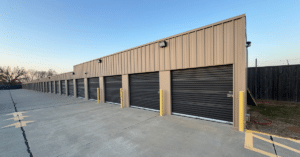
Home staging inventory isn’t just furniture. It includes delicate decorations, lighting, fabrics, and valuable accessories that all need to stay in good shape. Choosing the right facility is key to running a smooth operation. Many people searching for home staging storage in Broken Arrow care most about accessibility, protection, and layout. Here’s what to consider.
Location and How It Impacts Your Drive Time
Distance matters more than most stagers realize. Every mile adds up when loading furniture, picking up accessories, or returning unused items. A centrally located storage unit reduces travel delays and fuel costs.
In Broken Arrow, traffic on main roads can affect scheduling during rush hours. Choosing a local company means jobs stay on schedule, and you won’t have to worry about a late-night trip to track down a missing décor piece.
Climate Control Requirements for Sensitive Stock
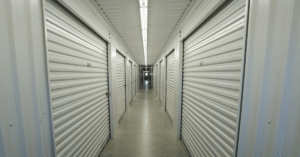
Staging inventory often includes items sensitive to heat and humidity. Furniture, wood finishes, paintings, and fabric can all suffer damage from improper storage. Climate control is worth considering in Oklahoma given how dramatically the seasons shift.
According to the National Weather Service, Oklahoma is known for some of the more dramatic seasonal temperature swings in the country. Storage for real estate stagers in Broken Arrow, OK, that includes climate control does a much better job of maintaining inventory quality, keeping items presentation-ready and helping you avoid costly replacements from environmental damage.
Loading Zones and Realities of Truck Access
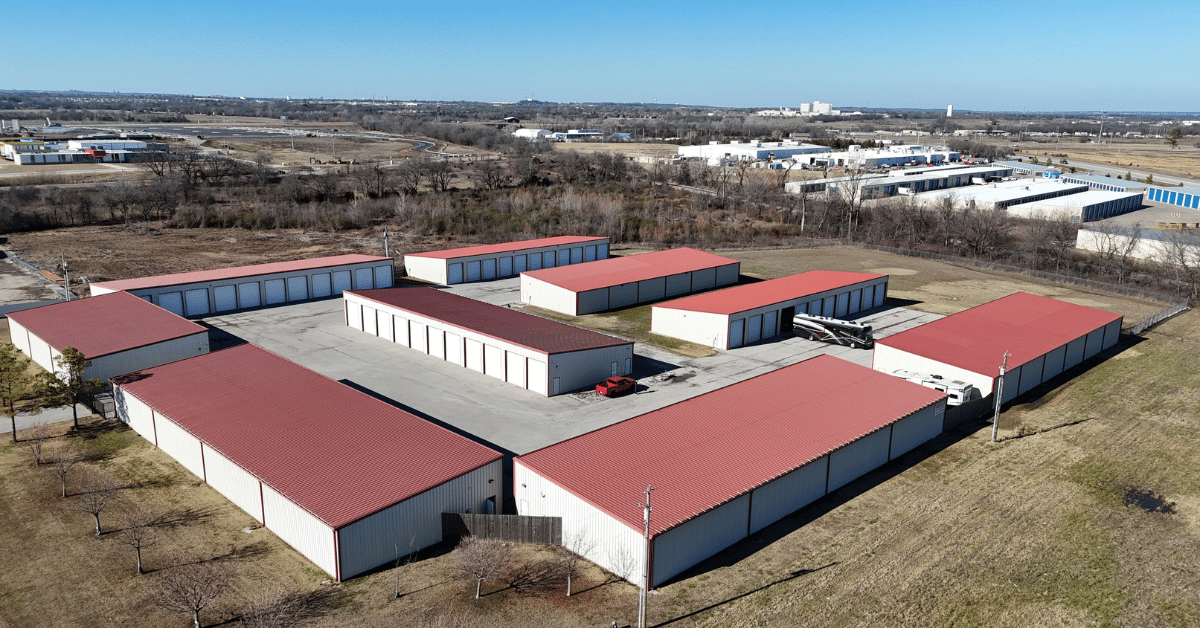
Efficient loading space saves valuable time during staging projects. Wide drive aisles and ground-level access make it easier and faster to move large furniture without delay. Many stagers use trucks or trailers, so turning space matters too.
Poor access leads to slow load-ins and more physical labor. A good facility lets stagers move goods from storage to the vehicle in a single trip, which streamlines the workflow, especially when staging multiple properties in one day.
Security Features That Bring You Peace of Mind
A home stager’s inventory often represents a significant investment, sometimes worth thousands of dollars, so protecting it matters. Surveillance cameras, gated access, and individual unit locks all help minimize risk.
Security is one of the most important considerations for asset protection in any small service business. Self-storage facilities in Broken Arrow often include controlled access systems that help reduce the risk of unauthorized entry for stagers. With strong security in place, professionals can focus on clients instead of worrying about their inventory.
Flexibility in Space for Seasonal Changes in Stock Levels
Staging needs shift from year to year. Seasonal décor trends, shifting furniture styles, and changing client preferences all affect inventory needs. Flexible storage space lets stagers reorganize items without overloading a unit.
Units that can expand or shrink as needed help maintain efficiency, letting stagers adjust their setup quickly to meet market changes without moving their entire inventory. Seasonal rotation also keeps popular items available all year round.
How to Group Your Items
Staging inventory changes fast, and even the most experienced professionals can lose track of items without a system. Good organization starts with grouping items to match real workflow needs. Home stagers often use home staging storage in Broken Arrow with organized categories rather than storing items at random, which saves time searching and keeps things efficient when staging jobs move quickly. Here’s how home stagers should group their items.
Sorting by Item Type Rather Than Room Design
It’s easier to manage inventory by function rather than by room design. Seating, lighting, and décor each stay grouped within their own category, which avoids confusion when juggling multiple projects. It also speeds up packing for transport, since everything’s already organized logically.
When working with a large staging inventory across multiple properties, a system based on item type keeps things consistent and makes it easy to grab what you need without wasting time.
Managing Small Décor and Greenery
The smallest décor pieces can be the most challenging to organize. Vases, candles, faux plants, and accents can easily get lost. Bins or clear containers help keep order, and labeled sections make sure nothing goes missing between projects.
Keeping these items together helps avoid last-minute scrambling before appointments. This system also makes it easy to spot missing items quickly, which helps avoid unnecessary replacement costs.
Keeping Soft Goods Dust-Free and Pristine
Cushions, rugs, and throws need careful handling. Dust and moisture can easily stain them or leave them looking dull. Sealed lids on storage bins help keep things clean, and lifting soft goods off the ground reduces exposure to dirt and pests.
With good storage habits, these items stay ready to use without needing another cleaning before they go into a staged home. This saves time and ensures everything looks perfect when you need it.
Storing Oversized Art Without Risking Damage
Large artwork that carries significant value needs special care. Unprotected frames can get scratched or broken when simply leaned against a wall. Using proper padding and vertical storage racks helps minimize that risk.
Visual presentation plays a big part in how buyers perceive a staged home, so protecting artwork helps stagers maintain a professional look across every project. That’s exactly what proper storage for real estate stagers in Broken Arrow, OK, can offer.
Using Labeling Systems Everyone Can Understand
Clear labeling removes confusion during hectic staging periods. Color coding, printed labels, and category tags all speed up retrieval. Assistants or temporary staff can find items without instructions, even if they weren’t the ones who packed them.
A simple system reduces reliance on memory and improves accuracy when loading and unloading. Consistent labeling keeps things orderly across every project, so everyone can quickly find what they need for the next staging job.
Maximizing the Footprint With Smart Layout Strategies
A smart layout turns a storage unit into an efficient workspace instead of just a place to pile things. Stagers are better served by structured zones than random stacking. Many professionals who rely on storage for real estate stagers in Broken Arrow, OK, design their layout to mirror their actual workflow, which cuts down on time spent searching for items and boosts productivity during staging prep.
Shelving Choices That Handle Real Weight
Strong shelving units help make the most of vertical space. Heavy-duty racks support furniture accessories and décor without collapsing under the weight, creating organized layers instead of piles. Good shelving also protects delicate items by keeping them off the floor, and a well-designed system makes everything easier to see and access at a glance.
Finding the Right Balance for Vertical Stacking
Stacking items saves space, but it has to be done thoughtfully. Lighter décor belongs on top, with heavier items at the bottom. Overstocking can damage items and slow down retrieval, so controlled stacking supports both safety and organization. This approach helps stagers make the best use of space without creating clutter or hazards.
Creating Space for Walking Around
Walkable aisles within a storage unit make a real difference to workflow. Narrow or cluttered walkways make loading and moving around during busy hours far more frustrating. Keeping clear movement areas ensures timely access to all inventory and minimizes the time spent maneuvering around just to reach a single item.
Creating a Dedicated Zone for Incoming Returns
Storage units should set aside enough space for items returning from staging jobs. Mixing returns in with ready-to-use inventory quickly causes confusion. A separate zone makes quick sorting and inspection possible, which helps avoid lost items and keeps the workflow consistent. It also makes it easier to track which items need cleaning or repair before their next use.
Organizing Frequently Used Items for Easy Access
Frequently used items should stay near the entrance. This minimizes the time spent searching for something during a last-minute staging need. Easy access helps keep response times fast for clients and keeps scheduling on track, and strategic placement helps speed up last-minute projects even further.
Tracking Your Assets Seamlessly
During hectic staging periods, inventory tracking helps ensure nothing goes missing. Even small losses can add up fast without a system in place. Professionals using self-storage services in Broken Arrow often find digital tracking tools invaluable for staying organized and efficient across several projects at once. Here’s how to make the most of them.
Selecting Software That Fits a Stager’s Workflow
Inventory software can track items by category, condition, and location. A simple system is much easier for the whole team to adopt. Many tools include tagging and search functions that make managing inventory even easier, which reduces manual tracking errors and improves overall accuracy.
Quickly Scan On-Site With Your Phone
Mobile scanning tools allow for immediate updates during pickups and returns. A quick scan records real-time item movement, which cuts down on paperwork and reduces the chances of losing track of an item. It also speeds up the transition from one staging job to the next.
Real-Time Updates Between the Warehouse and the Stage
Real-time updates keep teams in sync. Records update automatically when items are removed or returned, which helps avoid duplication and confusion. Digital tracking systems help optimize operations in any industry that relies heavily on logistics, staging included.
Keeping a Visual Catalog of Your Options
Photos help stagers quickly recognize stock without inspecting every piece. A visual catalog saves time and supports faster decision-making during client meetings, while also helping keep design choices consistent across projects.
Simple Habits to Avoid Losing Track of Items
Small habits, like double-checking returns and updating logs right away, go a long way toward minimizing inventory loss. Long-term organization comes down to staying consistent with the process. Small lapses in discipline can add up to a lot of errors over time, so consistency really pays off.
Keep Every Staging Project Ready With Smart Storage Support From Click Storage
Three key elements of home staging storage success in Broken Arrow are organization, speed, and protecting valuable inventory. An effective system ensures every item is available whenever clients need it.
With reliable solutions from Click Storage, staging professionals can keep their operations organized, efficient, and ready for any project without the hassle or delays.