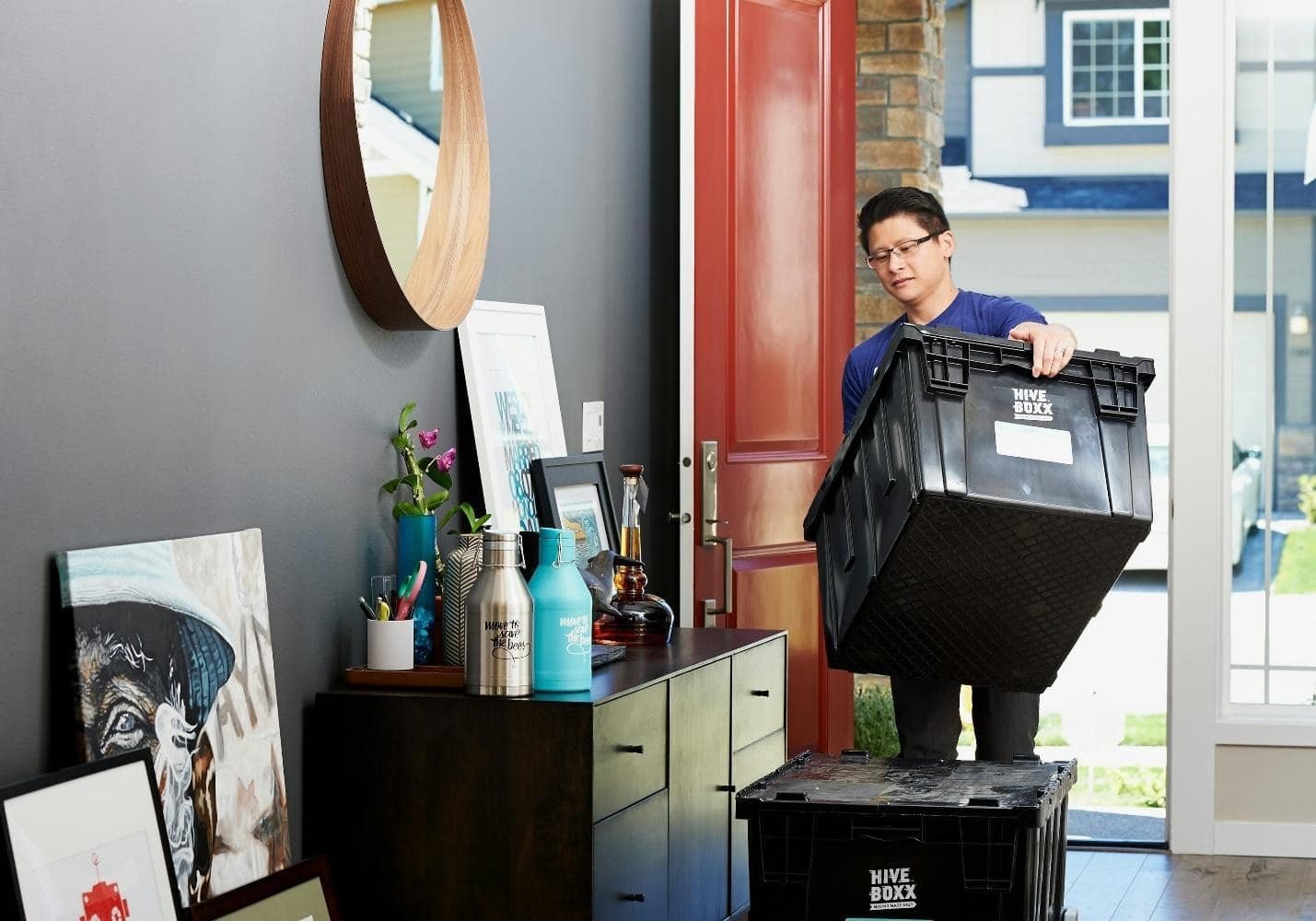
Many people experience moving blues after relocating, even when they planned the move for months. Suddenly, your routine changes, your comfort zone disappears, and everything feels unfamiliar. In places like Catoosa, even small changes can feel overwhelming at first.
However, the right habits and support systems can help you settle in faster. Simple routines, emotional support, and solutions like storage near I-44 can make the transition feel far more manageable.
What Are Moving Blues?
Moving blues describe the emotional stress and sadness many people feel after relocating. People often experience anxiety, low energy, loneliness, or emotional exhaustion during this transition.
According to the American Psychological Association, major life changes such as moving often trigger significant stress responses. Even exciting moves can feel emotionally difficult because routines disappear and social connections change.
In addition, leaving familiar spaces and memories behind can make adjustment harder. Many people also struggle with clutter and unfinished unpacking during the transition. Because of this, storage near I-44 can help reduce stress by creating more space while you settle into your new environment.
Fortunately, moving blues usually improve over time with patience and consistent habits.
10 Tips to Handle Moving Blues After Relocation
Starting over can feel intimidating. However, small daily actions often improve your mood much faster than expected. These tips focus on rebuilding comfort, creating stability, and helping you feel connected to your new surroundings.
Build a Routine Quickly
Routines create stability during uncertain times. Start by setting consistent wake-up times, meal schedules, and bedtime habits.
According to mental health research, regular routines help reduce stress and anxiety symptoms. Even simple habits, like making coffee each morning or taking a short evening walk, help restore a sense of normalcy.
Additionally, a clean and organized home supports emotional stability. If clutter feels overwhelming, storage near I-44 can help temporarily clear excess belongings while you settle in.
Unpack and Personalize Your Space
Unpacking does more than empty boxes. It helps create emotional comfort and familiarity. Start with personal items that make your space feel like home, such as family photos, favorite blankets, or meaningful décor.
Research from the National Institutes of Health shows that familiar surroundings help lower stress and improve emotional stability.
Instead of leaving boxes untouched for weeks, unpack gradually and consistently. Organized spaces help your mind relax and adjust more easily.
Explore Your New Town
Exploring helps transform unfamiliar places into comfortable environments. Walk through your neighborhood, visit local cafés, parks, and stores, and treat your new city like a place worth discovering.
Being outside also helps reduce stress hormones and improve mood naturally. Every new place you visit slowly builds familiarity and confidence.
As you continue exploring Catoosa, your new surroundings will begin to feel more like home.
Join Community Groups
Social connections play a major role in emotional recovery after moving. Joining local fitness classes, clubs, hobby groups, or community events can help reduce loneliness significantly.
Even small conversations with neighbors or local business owners can improve your sense of belonging. Over time, these small interactions often develop into meaningful relationships.
Community support makes moving blues feel much less isolating.
Volunteer Locally
Helping others often improves emotional well-being during stressful transitions. Volunteer opportunities at shelters, schools, or community centers create a sense of purpose and connection.
Studies consistently show that volunteering supports mental health and reduces symptoms of depression and stress. In addition, volunteering introduces you to new people while helping you learn more about your new community.
This combination of purpose and connection can make relocation feel less overwhelming.
Stay Connected with Old Friends
Building new relationships matters, but maintaining old connections matters too. Schedule regular calls, texts, or video chats with close friends and family members.
Familiar conversations provide comfort and emotional stability during periods of uncertainty. At the same time, staying connected helps preserve your sense of identity during major transitions.
Balancing old and new relationships often makes moving blues easier to manage.
Prioritize Self-Care
Self-care becomes extremely important during relocation. Eat balanced meals, stay hydrated, rest properly, and take breaks when unpacking feels overwhelming.
Physical activity also helps reduce anxiety and improve mood. Even a short daily walk can provide emotional relief.
Most importantly, pay attention to your energy levels. Your body and mind need time to adjust after a major life change.
Spend Time Outdoors
Nature helps calm the mind and reduce emotional stress. Visit parks, walking trails, or quiet outdoor spaces whenever possible.
Research shows that green spaces improve mental health and lower stress levels. Even short outdoor breaks can improve your mood significantly.
Additionally, spending time outdoors helps create positive memories connected to your new environment.
Practice Gratitude and Journaling
Journaling helps organize emotions during stressful transitions. Start by writing down a few positive moments or small wins each day.
Research from the Greater Good Science Center at University of California, Berkeley shows that gratitude practices improve happiness while reducing stress levels.
Over time, journaling helps shift your focus away from uncertainty and toward progress.
Seek Professional Support if Needed
Sometimes relocation stress becomes overwhelming. Speaking with a counselor or therapist can provide valuable emotional support and coping strategies.
Mental health professionals help people process difficult transitions without judgment. Seeking help early often improves emotional recovery and reduces long-term stress.
Most importantly, asking for support shows strength, not weakness.
Settle In Faster with Click Storage
Moving can disrupt routines and emotions, but it also creates opportunities for a fresh start. By building healthy habits and staying patient with yourself, you can reduce moving blues and feel comfortable in your new environment much sooner.
Click Storage helps make relocation easier with convenient storage near I-44, giving you more space, flexibility, and peace of mind while you settle into your new home.
Q&A: Moving Blues After Relocation
Tap any card to reveal the answer.
Question 01What are “moving blues” after relocating?
Moving blues refer to feelings of stress, sadness, anxiety, or emotional exhaustion that people may experience after moving to a new home or city.
Question 02How can creating a routine help after moving?
Establishing daily routines like regular sleep schedules, meals, and morning habits can create stability, reduce stress, and help people adjust faster to a new environment.
Question 03Why is unpacking quickly important after a move?
Unpacking helps create familiarity and comfort in a new space, making the home feel more personal and emotionally welcoming instead of chaotic or temporary.
Question 04How can exploring a new city help with relocation stress?
Exploring local parks, cafes, neighborhoods, and businesses helps build emotional connections, create familiarity, and replace uncertainty with curiosity and excitement.
Question 05What are some ways to reduce loneliness after moving?
Joining community groups, volunteering, maintaining old friendships, and meeting neighbors can help build social connections and reduce feelings of isolation.
Question 06How can storage units help during a move?
Storage units can reduce clutter, create a cleaner living environment, provide temporary space for extra belongings, and help make the moving and settling-in process less stressful.