High winds, hail, flooding, and tornadoes can damage buildings, equipment, inventory, and valuable records within hours.
Preparing for storms helps businesses recover far more quickly than waiting to react once the storm has already hit. Moving selected assets to a safe storage location keeps the recovery process on track and protects what matters most.
An off-site storage plan strengthens business continuity storage in Catoosa, OK, and helps protect employees, customers, and long-term operations throughout Oklahoma’s storm season. Here’s a closer look at how it works.
Why Disaster Recovery Testing Is Critical to Operational Resilience
A written emergency plan is only effective once it’s actually been tested. Disaster recovery drills identify weaknesses, streamline response time, and help employees build confidence in their response before disaster hits. Regular testing also confirms that stored equipment, documents, and inventory are ready to go when needed. Companies that invest in business continuity storage in Catoosa, OK, get more value out of their recovery plans by reviewing them regularly throughout the year.
Verify Emergency Procedures
All staff should know what to do before, during, and after severe weather. Recovery drills help catch unclear instructions before an actual emergency causes confusion. Delegate tasks for equipment retrieval, record security, vendor contact, and customer communication.
Planning and practicing emergency procedures ahead of time strengthens an organization’s resilience and speeds up recovery. Periodic testing also keeps emergency contacts and response plans current as the business evolves.
Test Access to Critical Assets
Off-site storage only works if the necessary assets can actually be retrieved quickly when an emergency happens. That’s why business owners should regularly confirm that all employees know where to find important records, backup equipment, and emergency supplies.
Before storm season, review keys, gate codes, storage maps, and contact details. Businesses storing equipment away from the office in Catoosa also need to keep it organized, clearly labeled, and easy to access in case of a disruption.
Review Backup Documentation
Business records deserve the same level of attention as equipment. Secure important documents such as contracts, insurance policies, customer information, financial records, equipment manuals, and vendor contacts.
Regularly reviewing backup and recovery procedures helps keep organizations running. Updating records during a scheduled disaster recovery test minimizes confusion and helps businesses recover as quickly as possible after severe weather.
Practice Employee Communication
Broken communication tends to hinder recovery more than almost anything else. That’s why it helps to have a plan for reaching employees if the internet, office phones, or power all go down at once.
Print out contact lists, emergency phone numbers, and alternate meeting places before severe weather hits. Testing communication plans also uncovers outdated information before an actual emergency. Organized communication paired with severe weather business storage in Catoosa often helps businesses resume daily operations much faster after a weather-related interruption.
Evaluate Recovery Time
Each recovery exercise should measure how quickly key operations get back up and running. That means tracking how long it takes to retrieve equipment, access documents, contact employees, and restart critical services.
Review each exercise and note specific changes or improvements based on what happened last time. Solid preparedness is what actually minimizes downtime when disaster strikes, and small changes made in practice can make a big difference once bad weather disrupts day-to-day operations.
What Inventory Should a Catoosa Business Move Off-Site?
Every business has valuable assets that would be hard or costly to replace if severe weather damaged them. Moving selected inventory away from the main workplace reduces financial risk and supports business continuity. To better manage inventory storage in Port of Catoosa, many companies review their assets and prioritize them before storms hit. Here’s what’s worth moving off-site.
High-Value Inventory
Products with a high replacement cost deserve top priority in any off-site strategy. Electronics, specialty items, finished goods, seasonal goods, and limited-stock items often represent significant investments for a business.
Protecting these assets helps minimize financial damage and keeps customer orders on track through extreme weather. Use clearly labeled shelving or sealed containers to store valuable stock, making it easy to access once normal operations resume. Businesses like these benefit from inventory storage in Port of Catoosa that gets rotated throughout the year.
Essential Business Equipment
Equipment can be far more expensive to replace than inventory. It’s worth giving extra protection to computers, specialized tools, testing gear, portable devices, communication systems, and backup technology before bad weather hits.
Label everything and maintain records to make tracking easier. Protecting critical equipment ahead of time helps organizations rebound faster once disaster strikes. Off-site equipment storage in Catoosa helps businesses minimize downtime by keeping replacement equipment on hand.
Important Business Records
Even businesses that rely heavily on digital records still need paper documents. Insurance policies, financial records, tax documents, employee files, permits, contracts, and customer agreements all need safe, out-of-sight storage.
Waterproof document containers and organized filing systems improve accessibility and reduce unnecessary risk. Digital copies serve as another layer of backup, but originals may still be required for insurance claims and regulatory inspections. Good document management also makes it easier to communicate quickly with financial institutions and insurance companies.
Emergency Supplies
Emergency supplies should be a standing part of any business continuity plan. Flashlights, batteries, first aid kits, potable water, portable radios, battery chargers, sanitation products, safety vests, and temporary repair materials all prove useful right after severe weather.
Businesses should stock emergency supplies well ahead of disasters to help maintain normal operations. Well-organized emergency kits minimize delays and support employees during a disaster.
Emergency Storage Plan for Port of Catoosa Companies
When you’re moving valuable assets, it’s best to have a clear plan for every step. Businesses should anticipate severe weather and prepare training well in advance. A written plan minimizes confusion during emergencies and helps keep operations running. Many companies strengthen their severe weather business storage in Catoosa by reviewing their strategy before every storm season. Here’s how to do the same.
Recognize Critical Business Assets
Every business relies on equipment that directly supports its operations. Start with the inventory, machinery, tools, paper records, technology, and specialized equipment that would disrupt operations if lost. Make a full list of your assets, but don’t plan to move everything.
Knowing which resources are truly critical helps get things up and running more quickly once disaster hits, and it helps business owners avoid needless delays. Prioritized inventories also simplify storage decisions during severe weather, when there’s little time to prepare.
Assign Employee Responsibilities
Emergency plans work best when everyone already knows their role once severe weather hits. That’s why it helps to designate specific employees for inventory checks, document security, vendor communication, and keeping storage units organized.
Written checklists also eliminate uncertainty and help ensure no important task gets forgotten. Business continuity storage in Catoosa, OK, depends on organized responsibilities, which is why every employee should have a clearly assigned role.
Maintain an Up-to-Date Inventory List
Inventory should get updated all year round, not just before storms. Business owners should document serial numbers, acquisition dates, storage locations, item counts, and photos whenever possible.
Printed copies remain useful during power or internet outages, while digital copies can be accessed in seconds. Good inventories support more effective recovery planning and resource management, and updated records also make insurance claims easier after any weather-related loss.
Schedule Routine Storage Reviews
Storage plans need regular review, since business operations change over time. Equipment gets purchased, stock grows, and older materials fall out of use. Run periodic inspections to clear out old items and confirm important assets stay secure and properly labeled.
Routine inspections also catch broken containers before they become a real problem. During an actual emergency, companies with inventory storage in the Port of Catoosa often access their stock faster when they’ve made organizational improvements ahead of time.
Run a Test of the Complete Recovery Process
An emergency plan should be exercised before it’s ever actually needed. During scheduled drills, practice accessing stored equipment, locating documents, contacting employees, and resuming business activities. Time each step and note where improvements could help.
Businesses should regularly revisit disaster recovery procedures, since preparation is what minimizes downtime after severe weather. Practice builds real confidence, and gaps that never showed up on paper tend to surface quickly once you’re actually testing them.
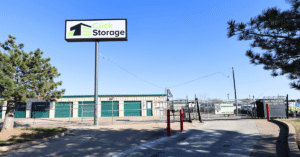
How Click Storage Can Help Your Business Continuity
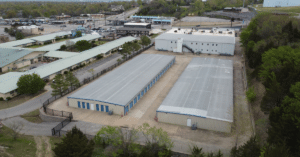
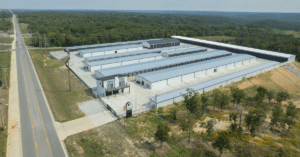
With extreme weather a real possibility, businesses across the Port of Catoosa area often need flexible storage to shelter equipment, inventory, and records. Businesses can rely on severe weather business storage in Catoosa for everyday use, backed by dependable off-site equipment storage.
Flexible Unit Sizes
Every business has different types of property to protect. Some need space for records that must be retained long-term, while others need room for inventory, equipment, or seasonal materials. Using the right amount of storage space avoids wasted room while keeping assets organized and easy to access.
Businesses can also adjust their storage setup to match changing operations or seasonal stock needs. Flexible storage supports better long-term planning through Oklahoma’s unpredictable weather seasons.
Convenient Business Access
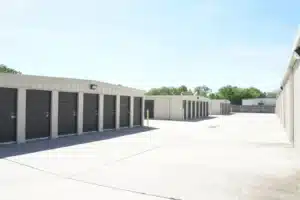
Easy access matters during normal operations and emergencies alike. A convenient storage facility cuts down on travel time and speeds up inventory retrieval whenever severe weather disrupts normal business.
Business continuity storage in Catoosa, OK, with labeled shelving also makes staffing more efficient, since staff won’t have to waste time hunting for important materials. Access becomes critical for recovery whenever time is short.
Secure Storage Environment
Business assets need protection all year long, especially during Oklahoma’s wilder weather months. Controlled entry gates, cameras, brightly lit grounds, and professionally managed buildings add real confidence while valuable property sits off-site.
Protecting business property ahead of a disaster lowers financial losses and helps businesses get back up and running faster. Business storage facilities in Catoosa that specialize in severe weather storage offer enhanced security and maintenance for companies that need it.
Organized Storage Solutions
How well a business recovers after an emergency often comes down to how organized it was beforehand. That’s why it’s worth creating and labeling shelves, organizing items by type, and keeping updated storage maps so employees can quickly find critical items.
A color-coded system and organized inventories make items easy to retrieve and help minimize errors when things get hectic. There’s also a built-in benefit to managing inventory year-round, rather than scrambling only when an emergency hits.
Long-Term Business Support
Business continuity planning isn’t just for one storm season. Storage plans should grow and evolve with the company, accommodating fluctuating inventory, new equipment, and changing operational needs.
Frequent reviews help maintain efficient storage and ongoing protection for important resources. Long-term planning paired with off-site equipment storage in Catoosa strengthens resilience and lets businesses prepare for severe weather while keeping day-to-day operations running.
Common Business Continuity Mistakes to Avoid
No matter how well a continuity plan is built, some issues still slip through. Small things can cause big delays during severe weather when valuable inventory or equipment isn’t accessible, and that gets expensive fast. It’s worth checking these things before storm season to keep business continuity storage in Catoosa, OK, organized and ready for an unplanned disruption.
Waiting Until Severe Weather Is Forecast
Many businesses wait until storms are forecasted before getting ready, which leaves little time to move inventory, secure equipment, and protect critical paperwork. Emergency planning needs to be part of the normal routine, not a last-minute scramble. Businesses that keep extreme weather business storage ready in advance recover faster, since their teams already know exactly what to do.
Having It All in One Place
Keeping all valuable assets inside a single building creates unnecessary risk. Inventory, equipment, and records could all take damage during a single tornado, flood, or hailstorm.
Moving selected assets to off-site equipment storage in Catoosa adds another layer of protection and reduces the risk of total disruption. Separate storage areas also add more flexibility whenever severe weather hits.
Forgetting to Update Inventory Records
As equipment changes and stock levels shift, inventory records can go stale fast. Check storage lists periodically, remove anything outdated, and add current photos, serial numbers, and quantities.
Precise records also make insurance claims much easier after any kind of loss. Keeping inventory information current year-round makes inventory storage in Port of Catoosa far easier to manage.
Ignoring Employee Training
A written emergency plan works far better when employees know all the details ahead of time. Knowing what to expect during a stressful situation removes confusion and speeds up response time. Companies that pair employee training with business continuity storage in Catoosa, OK, build greater operational resilience and resume operations faster after any disruption.
Prepare Your Small Business for the Storm’s Next Visit
Preparing before severe weather protects inventory, equipment, records, and daily operations alike. A well-thought-out plan for severe weather business storage in Catoosa reduces unnecessary losses, minimizes downtime, and speeds up recovery whenever storms hit the Port of Catoosa area.
Choose Click Storage for robust business storage solutions that keep critical assets safe and secure all year round.