Learning about storing clothes without moth damage can help you preserve your wardrobe year-round. Small storage habits make a major difference over time, especially when using self-storage in Bixby.
The Smithsonian Institution notes that pests are more attracted to natural fibers than synthetic materials, which makes proper clothing storage even more important.
This guide shares the best ways to protect your clothes from moths while keeping your wardrobe clean, organized, and secure.
The 10 Best Ways to Protect Clothes from Moths
Moths thrive in dark, warm, and undisturbed spaces, making stored clothing an easy target. These tips focus on prevention, cleanliness, and proper storage techniques to help reduce infestation risks and preserve your clothing long term.
Wash or Dry Clean Clothes Before Storage
Dirty clothing attracts moths far more than clean clothing. Sweat, oils, stains, and food residue create the perfect environment for larvae.
The United States Department of Agriculture reports that organic residue increases pest activity around stored materials. Washing or dry cleaning clothes before storage removes these attractants and helps prevent moth damage.
Clean clothing also stores better long term and stays fresh throughout the off-season.
Store Clothes in Airtight Plastic Containers
Airtight plastic containers create a sealed barrier that moths cannot easily enter. Tight-fitting lids help protect folded clothes and seasonal garments from pests, dust, and moisture.
Sealed containers also help preserve fabric quality over time. Using airtight storage remains one of the most effective ways of storing clothes without moth damage.
Use Breathable Garment Bags for Hanging Clothes
Hanging garments need airflow to stay in good condition. Breathable fabric garment bags protect clothing while still allowing ventilation.
Plastic garment covers often trap humidity, which can create mold or odors. Breathable bags maintain a balance between protection and airflow, helping preserve delicate fabrics during long-term storage.
Avoid Cardboard Boxes
Cardboard boxes attract pests and retain moisture, making them a poor option for clothing storage. Moths can easily enter cardboard and damage fabrics over time.
The National Park Service explains that organic materials like cardboard can encourage pest activity. Plastic containers and fabric storage systems offer far better protection for long-term clothing storage.
Switching away from cardboard is a simple improvement that helps protect valuable garments.
Use Natural Moth Deterrents
Natural deterrents like cedar, lavender, and cloves help repel moths without exposing clothing to harsh chemicals.
Research from the National Institutes of Health shows that certain plant-based compounds can effectively repel insects. Placing cedar sachets or lavender packets near stored clothing creates an environment that discourages pests naturally.
Natural solutions help preserve fabrics while supporting safer storage conditions.
Keep Cedar Away from Direct Fabric Contact
Cedar works well as a moth deterrent, but direct contact with clothing can leave stains or oil marks on delicate fabrics.
Instead of placing cedar directly on garments, use cedar blocks, sachets, or holders that create separation between the wood and the fabric. Proper placement allows you to benefit from cedar protection without risking fabric damage.
Store Clothes in Cool, Dry, Dark Spaces
Moths prefer warm and humid environments. Cool, dry, and dark storage spaces reduce pest activity while helping preserve clothing quality.
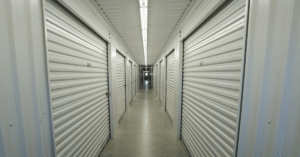
Climate-controlled self-storage in Bixby provides stable conditions that protect fabrics from humidity, temperature changes, and mold growth. Controlled environments create safer long-term storage conditions for valuable clothing.
Use Vacuum-Sealed Bags for Bulky Items
Vacuum-sealed bags remove excess air while creating a barrier against pests and moisture. These bags work especially well for bulky winter clothing like sweaters, jackets, and blankets.
The United States Department of Agriculture notes that low-oxygen environments make survival difficult for many pests. Vacuum sealing also saves storage space and helps keep items compact and organized.
Vacuum and Clean Storage Areas Regularly
Clean storage areas reduce the likelihood of pest infestations. Dust, lint, and debris often attract insects and create hidden breeding areas.
Regular vacuuming removes eggs, larvae, and dirt before they become larger problems. Whether you store clothes at home or in a storage facility, maintaining a clean environment helps protect your wardrobe long term.
Before renting a storage facility, check online reviews and inspect cleanliness standards carefully.
Inspect Stored Clothes Regularly
Regular inspections help catch early signs of moth activity before major damage occurs. Small holes, webbing, or larvae often signal the beginning of an infestation.
Checking stored clothing consistently allows you to respond quickly and protect the rest of your wardrobe. Ongoing monitoring supports better long-term storage habits and provides peace of mind.
Additional Clothing Storage Tips for Bixby Residents
Local climate conditions can affect long-term clothing storage. Humidity, temperature swings, and pest activity often vary throughout Bixby, making prevention even more important.
Quarantine Second-Hand Clothing
Second-hand clothing can carry hidden pests or moth eggs. Before storing thrifted or vintage items, isolate and inspect them carefully.
Wash and dry all second-hand garments before placing them near existing stored clothing. This extra step helps protect your wardrobe from accidental infestations.
Use Moth Traps and Decoys
Moth traps help monitor pest activity and reduce infestations early. These traps attract moths before they can damage clothing.
Placing traps around storage spaces provides an early warning system that supports preventive pest control. Moth decoys work best when combined with clean storage habits and proper organization.
Keep Your Clothing Safe with Click Storage
Simple habits and regular maintenance make storing clothes without moth damage much easier. Clean storage spaces, proper containers, climate control, and regular inspections help protect your wardrobe year-round.
Trusted self-storage in Bixby adds another layer of protection and convenience for long-term clothing care.
Click Storage offers secure climate-controlled storage solutions that help keep clothing safe, organized, and ready for future use.
Q&A: Clothing Storage and Moth Prevention
Tap any card to reveal the answer.
Question 01How can I protect clothes from moth damage while in storage?
You can protect clothing by washing items before storage, using airtight containers, vacuum-sealed bags, natural deterrents like cedar or lavender, and storing clothes in cool, dry environments.
Question 02Why should clothes be cleaned before storing them?
Dirty clothing attracts moths because sweat, oils, and food residue provide an ideal environment for larvae and pests to feed on fabrics.
Question 03Are cardboard boxes safe for storing clothes long-term?
No. Cardboard boxes can attract pests and retain moisture, increasing the risk of moth infestations and fabric damage over time.
Question 04What are the benefits of vacuum-sealed bags for clothing storage?
Vacuum-sealed bags remove air, reduce moisture exposure, save space, and help create a protective barrier against pests like moths.
Question 05Why is climate-controlled storage helpful for clothing storage?
Climate-controlled storage helps maintain stable temperature and humidity levels, reducing the risk of mold, moisture damage, fabric deterioration, and pest infestations.
Question 06How often should I inspect stored clothing for pests?
Stored clothing should be checked regularly for signs of moth activity, larvae, or damage so infestations can be identified and treated early.