
Climate Controlled Storage: Is It Actually Worth the Extra Cost?
Here’s what happens to your belongings in an uncontrolled storage unit in Tulsa: they don’t get destroyed by a single dramatic event. Instead, they get slowly wrecked by invisible damage over months.
| Item Type | Why It Matters | Climate Control |
|---|---|---|
| Electronics & computers | YES — heat damages circuits and causes corrosion | Required |
| Photographs & documents | YES — fading, mold, ink bleeding without CC | Required |
| Leather & suede items | YES — cracks in heat, molds in humidity | Required |
| Wood furniture (heirloom) | YES — temperature swings warp joints and finishes | Recommended |
| Musical instruments | YES — wood sensitive to humidity changes | Recommended |
| Tools & power equipment | NO — built tough, some rust is acceptable | Standard OK |
| Plastic items & bins | NO — stable material, unaffected by temp swings | Standard OK |
| Seasonal outdoor items | NO — already outdoor-rated | Standard OK |
What Climate Control Actually Does
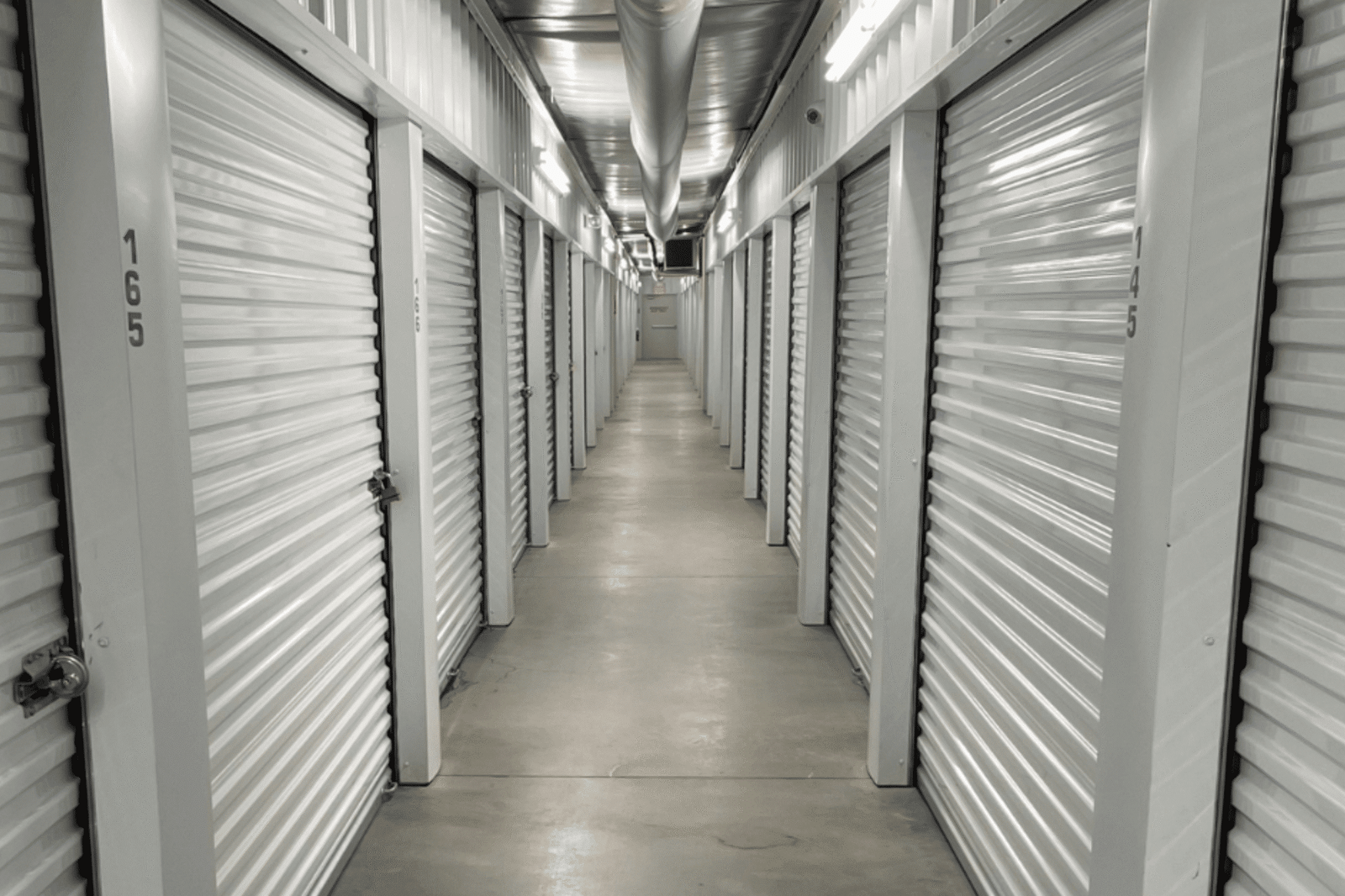
Climate controlled storage is not just an air conditioner. It’s temperature and humidity regulation working together.
A standard unit in Tulsa might swing from 35 degrees in January during an ice storm to 115 degrees in July, with humidity jumping from bone dry to 95 percent within days. That’s a recipe for damage.
Climate controlled storage maintains a steady temperature (usually 55 to 85 degrees) and keeps humidity between 30 and 50 percent year-round. No wild swings. No mysterious mold. No wood warping or metal rusting from condensation.
The reality: Oklahoma’s climate is legitimately harsh on stuff. We’re not like Arizona, where it’s hot but bone dry. We’re not like the Northwest, where it’s cool but consistent. Tulsa gets extreme heat, extreme cold, and extreme humidity all in the same year. That combination is exactly what destroys belongings slowly but relentlessly.
What Actually Needs Climate Control

Let’s be direct about what should live in a climate controlled unit and what’s totally fine without it.
YES — Use Climate Control For:
Electronics: computers, tablets, cameras, printers, TV components. Heat damages circuits. Humidity causes corrosion. After six months in a standard unit, that $500 laptop might not power on anymore.
Photographs and documents: original prints, irreplaceable photos, important paperwork, yearbooks. Heat fades color. Moisture causes mold and ink bleeding. Once a photo is damaged, it’s gone.
Leather and suede: jackets, handbags, furniture, shoes. Oklahoma heat dries leather out and makes it crack. Humidity causes mold and discoloration.
Wood furniture: antiques, heirloom pieces, nice bedroom sets. The temperature and humidity swings literally make wood swell and shrink. Joints separate. Finishes crack.
Musical instruments: guitars, pianos, violins. Wood is sensitive to humidity. An out-of-tune guitar can have structural issues from moisture swings.
Probably Fine Without Climate Control:
Tools and power equipment: hammers, saws, drill sets. These are built tough. A little rust on a hammer doesn’t matter.
Sporting equipment: bicycles, skis, golf clubs. These are durable. Rust happens slowly.
Seasonal outdoor items: patio furniture, grills, garden tools. These live outside anyway. Storage is an upgrade.
Plastic storage bins and furniture: IKEA bookcases, plastic shelving. Plastic is stable. Heat won’t destroy it.
The Price Question
Climate controlled storage typically costs $20 to $40 more per month than standard storage, depending on unit size. A 10×10 standard unit might be $79 per month. Climate controlled might be $99 to $115. That’s about $240 to $480 extra per year.
Here’s how to think about it: if you’re storing items worth more than $1,000 that are sensitive to heat or moisture, climate control pays for itself in protection. If you’re storing $200 worth of old tools and lawn equipment, climate control is expensive insurance for something that doesn’t need it.
For most people storing electronics, photos, documents, or furniture they actually care about, climate control in Tulsa is money well spent. The invisible damage that happens in summer heat is real and irreversible.
Why Oklahoma Makes This Case Stronger
A lot of storage companies talk about climate control as an optional upgrade. In Oklahoma, it’s closer to a necessity for anything that matters.
We have the hottest summers in the country. Tulsa regularly hits 105 to 107 degrees in July and August. That’s not theoretical. That’s five months where your standard storage unit is literally baking your belongings.
We also have ice storms that drop temperatures to single digits with humidity shifts that cause condensation and mold. The freeze-thaw cycle expands and contracts materials in ways that damage them permanently.
Most states don’t have this combination. California doesn’t have humidity. Minnesota doesn’t have 115-degree summers. Arizona doesn’t have ice storms. Oklahoma gets everything, and everything works together to destroy things slowly.
If you’re storing in Arizona or Colorado, climate control is a nice option. In Oklahoma, it’s practically essential for anything valuable or sensitive.
Making the Decision
Ask yourself three questions:
Would I be upset if this was damaged? If yes, climate control belongs in your plan.
Does it contain electronics, photos, or documents? If yes, climate control is worth it.
Am I storing this longer than six months? If yes, the longer timeline increases damage risk. Climate control becomes smarter.
If you answer yes to any of those, climate controlled storage at Click Storage is the right choice. You’re not paying extra for comfort. You’re paying to keep your stuff in the condition it was in when you put it in the unit.
The Real Cost of Not Using Climate Control
People don’t usually notice the damage until months later. You pull your winter coat out and it smells musty and feels stiff. The electronics don’t power on. The photos are discolored. By then, the damage is done.
Climate control isn’t flashy or exciting. It’s invisible and quiet. But it’s one of the few storage decisions that has zero downside and enormous upside for anything you actually care about.
In Oklahoma, if you’re asking the question, the answer is almost always yes.
Sources: U.S. Self-Storage Association · Oklahoma Climatological Survey · Click Storage facility data, April 2026
Ready to Reserve Your Click Storage Unit?
No long-term contracts. Reserve online in minutes. Month-to-month flexibility at South Tulsa and Oklahoma locations.