Self-storage units can feel like lifesavers. They give extra space when the garage, attic, or closets are already bursting. Many people in Oklahoma rely on them for seasonal decorations, sports gear, or business supplies. But here’s the catch: just because a unit has room doesn’t mean everything belongs there.
There are strict guidelines on what not to store in self-storage, and ignoring them can lead to trouble, damage, or even legal problems. Knowing the dos and don’ts helps keep your belongings safe while also protecting the facility.
This guide will walk through what a self-storage unit actually is, highlight important storage rules Oklahoma requires, and explain the seven categories of items you should never place in storage. Think of this as your safety net before making a storage mistake you might regret later.
What is a Self-Storage Unit?
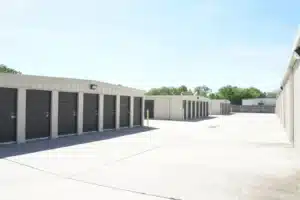
A self-storage unit is a rented space that allows individuals or businesses to store belongings outside their homes or offices. These units come in different sizes, from small lockers to larger rooms that can hold vehicles or heavy equipment.
Some are basic with no temperature control, while others offer climate features for items sensitive to heat or cold. People use storage units for many reasons, such as:
- Moving to a different location
- Downsizing their business
- Storing holiday items
- Keeping sports equipment out of the way
They’re also useful for businesses that need space for records or extra inventory. But a storage unit is not a “free-for-all.” Even though it’s rented, there are still limits. Facilities want to protect both customers and their own property.
This means there are rules, contracts, and state-level guidelines about what’s acceptable to keep inside. That’s why learning what not to store in self-storage is so important, as it keeps you safe, avoids accidents, and ensures the facility stays in business without violations.
Storage Rules Oklahoma that You Need to Know About
Oklahoma has clear requirements for storage facilities, and renters must respect them. These storage rules in Oklahoma exist to keep both people and property secure. For instance, state law allows storage owners to auction off items if rent isn’t paid.
But before that step, the renter has rights too, such as proper notice. Rules also cover issues like hazardous items, safety standards, and how disputes are handled.
Anyone renting should always review their lease agreement closely. Each facility may have specific add-ons, but the basics remain the same: no dangerous, illegal, or unsafe goods can be stored. Ignoring these restrictions can result in fines, eviction, or worse, serious safety hazards.
To read more about these regulations, check out the Oklahoma Self Storage Lien Law provided by the Oklahoma Self Storage Association.
7 Items You Should Never Store in a Self-Storage Unit
Even with flexibility in size and features, self-storage units are not meant for everything. Some things simply don’t belong there because they spoil, pose dangers, or break state laws. Below are the main categories of items that should never cross the threshold of your unit.
- Perishable Items
Food, drinks, or anything that can rot should stay out of storage. Perishables attract pests like mice, roaches, and insects. Once these intruders move in, they can damage other belongings too. Spoiled food also creates strong odors that are difficult to remove and can seep into furniture or clothing.
Even canned goods, which seem safe, aren’t recommended because they can rust or burst under fluctuating temperatures. Following storage rules in Oklahoma means avoiding these risks altogether. Here are some reasons why you should avoid storing perishables:
- They attract rodents and bugs quickly.
- Strong odors spread through the unit.
- Spoiled food creates mold growth.
- Liquids may leak and damage boxes.
- Cans can burst under heat changes.
- Insects may spread to neighboring units.
- Cleanup is expensive and difficult.
- It violates storage rules in Oklahoma.
- Hazardous Materials
Flammable or explosive items are strictly banned. This includes gasoline, propane tanks, fireworks, paint thinner, and certain cleaning chemicals. These materials can react to heat and pressure, turning a storage unit into a fire hazard.
Facilities are designed for safe storage, not as makeshift warehouses for dangerous supplies. Keeping such goods inside could endanger not only your property but also the entire building. Knowing what not to store in self-storage prevents putting lives at risk. Here are some Examples of hazardous items to avoid:
- Gasoline, oil, or kerosene.
- Propane and butane tanks.
- Fireworks and explosives.
- Fertilizers or pesticides.
- Paint thinner and turpentine.
- Cleaning chemicals with strong fumes.
- Aerosol cans that can burst.
- Anything flammable or corrosive
- Living Plants or Animals
It may sound surprising, but people sometimes try keeping plants or even small animals in storage. Units don’t have proper light, water, or airflow. Plants will quickly wilt, and animals can suffer. Both situations create unsanitary and unsafe conditions.
Storing living things violates health codes and basic humane practices. If you need temporary help with pets, seek boarding or foster services. And for plants, ask a friend to babysit them instead of breaking storage rules in Oklahoma. There are various serious reasons why plants and animals don’t belong in storage, such as:
- No sunlight or fresh air inside units.
- Lack of water causes fast wilting.
- Heat or cold harms plants and pets.
- Units are unsanitary for animals.
- Odors spread quickly in closed areas.
- Possible legal charges for animal neglect.
- Plant soil may attract pests.
- Violates health and safety laws.
- Valuable Items
Jewelry, rare collectibles, family heirlooms, or large sums of cash should never be placed inside. Even if a facility has security, storage units aren’t designed as high-security vaults. Insurance coverage for these items is often limited as well.
Theft, natural disasters, or accidents could leave you with a major financial or emotional loss. When thinking about what not to store in self-storage, valuables top the list, and keep them in a safe deposit box or secure spot at home instead. These are some valuables better kept elsewhere:
- Jewelry, gold, and diamonds.
- Rare coins and currency.
- Family heirlooms or antiques.
- Large sums of cash.
- Signed memorabilia or artwork.
- High-end watches or accessories.
- Sensitive business records.
- Collectibles with resale value.
- Illegal Items
Self-storage is no hiding place for drugs, stolen goods, or contraband. These items not only break storage rules in Oklahoma but also trigger legal consequences. Storage facilities cooperate with law enforcement, and if illegal property is discovered, authorities will step in.
Even unknowingly storing something illegal, such as items given to you, can put you in a bind. Units are meant for lawful storage only, so always double-check what’s inside your boxes before renting space. Here are some Illegal items that must be avoided:
- Drugs or controlled substances.
- Stolen goods or property.
- Counterfeit money or goods.
- Smuggled items.
- Fake IDs or documents.
- Items used for criminal activity.
- Black-market products.
- Anything banned by state law.
- Weapons
Firearms, ammunition, explosives, or any kind of weaponry are restricted. While Oklahoma allows legal gun ownership, storing them in a self-storage unit is risky. Without proper conditions, weapons may rust or misfire. Ammunition, especially, can become unstable if exposed to heat.
Facilities ban these items to prevent theft, accidents, and liability issues. If you need secure storage, invest in a home safe or specialized service that meets state safety standards rather than misusing a self-storage space. Here are a few reasons why weapons aren’t safe in storage:
- Ammunition can explode in heat.
- Firearms may rust without care.
- Stolen weapons pose safety risks.
- Insurance rarely covers them.
- Facility bans cover all weapon types.
- Gunpowder is highly unstable.
- Weapons could be misused if stolen.
- Breaks storage rules in Oklahoma.
- Wet Items
Anything damp, like wet clothing, towels, or equipment, should never go inside. Moisture creates mold and mildew quickly, which can spread across other belongings. A damp sofa or mattress can ruin everything else in the unit. Mold also poses health risks, especially for people with allergies or asthma.
Before storing, always dry items fully and check for hidden moisture. Avoiding wet goods is one of the simplest ways to protect your belongings while sticking to storage rules in Oklahoma.
Final Words
Self-storage is a great solution for extra space, but knowing what not to store in self-storage keeps your property and others safe. From perishables and hazardous goods to valuables and wet items, the risks far outweigh the convenience. Following storage rules in Oklahoma is straightforward when you know what’s off-limits.If you’re looking for a safe, reliable place to store your belongings, trust Click Storage. With secure facilities and professional guidance, you’ll have peace of mind knowing your items are in good hands. Reach out today and reserve a unit that fits your needs.